
The Sp5der Shirt Phenomenon: How a Graphic Tee Became a Resale Commodity
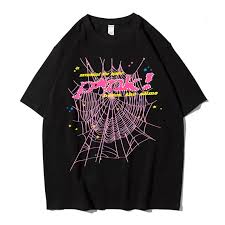
Somewhere along the way, a t-shirt stopped being just a t-shirt. For a growing segment of streetwear fans, the Sp5der shirt isn’t purchased the way a basic wardrobe item is purchased — it’s tracked, waited for, and sometimes flipped for double or triple its retail price within hours of release. This piece looks at the economics and culture behind that shift: why a single graphic tee generates this kind of demand, and what it says about how fashion value gets created in the drop-culture era.
From Niche Release to Recognizable Symbol
Brands built around limited drops face a specific challenge: staying visually memorable enough that a single glance identifies the piece, even from across a room or in a low-resolution photo. The Sp5der shirt’s sprawling web graphic solves that problem almost by design — it’s distinctive enough to be instantly recognizable, which matters enormously in a market where social validation drives as much demand as the garment itself.
That recognizability compounds over time. Each new release reinforces the visual signature rather than reinventing it, which means even casual observers start to associate the web motif with the brand without needing to know its full backstory.
Why Scarcity Changes How People Value Clothing
Traditional retail trains shoppers to expect restocks — if a shirt sells out, more arrives eventually. Drop culture flips that logic entirely. A specific colorway released in a specific quantity, once gone, is functionally gone. That scarcity does something psychologically interesting: it shifts the item from “something I want” to “something I might not get a second chance at,” which measurably increases both purchase urgency and post-purchase resale value.
This is the same mechanism that drives collectible markets more broadly — sneakers, trading cards, limited vinyl pressings. The Sp5der shirt taps into that exact psychology, just applied to a t-shirt rather than a sneaker or a card.
The Resale Market as Its Own Ecosystem
Once a piece sells out at retail, a secondary market takes over almost immediately, and it behaves according to its own logic:
- Colorway rarity drives price more than design complexity. A shirt with a more intricate print doesn’t necessarily resell higher than a simpler one released in a smaller batch.
- Condition matters intensely. Because these pieces are worn as much as they’re collected, unworn or deadstock examples with tags intact often command a noticeable premium over worn versions.
- Timing windows shift value. Resale prices are often highest in the days immediately following a sellout and can soften once initial hype settles, only to climb again if the piece re-enters cultural conversation later.
- Platform choice affects final price. Peer-to-peer marketplaces, verified authentication platforms, and local trading communities each produce different price ceilings for the same item.
The Line Between Hype and Genuine Design Appreciation
It’s worth separating two different reasons people gravitate toward a Sp5der shirt, because they lead to very different purchasing behavior. Some buyers are drawn to the piece purely as a design object — they like the color, the graphic, the fit, and would wear it regardless of resale value or brand cachet. Others are participating primarily in the scarcity economy itself, buying with an eye toward flipping the piece for profit rather than wearing it.
Neither motivation is inherently wrong, but understanding which one applies to you changes how you should shop. A design-first buyer should prioritize fit and color preference over release hype. A resale-focused buyer needs to track release patterns, historical price data on past colorways, and community sentiment far more closely than aesthetic preference alone.
See more: sp5der shirts
What Drives a Colorway’s Long-Term Value
Not every release holds its value equally once the initial hype fades. A few patterns tend to separate colorways that stay valuable from ones that quietly deflate:
- Genuine visual distinctiveness — releases that look meaningfully different from prior drops tend to age better than incremental color swaps.
- Cultural attachment moments — a shirt worn publicly by a recognizable figure or tied to a specific cultural moment often sees renewed demand long after release.
- Original production volume — smaller initial runs create a more durable scarcity effect than larger drops that flood the resale market immediately.
- Ongoing brand relevance — a colorway’s resale strength is tied not just to its own scarcity but to whether the brand itself continues generating attention.
A Practical Note for New Buyers
For anyone entering this space for the first time, the temptation is to chase whatever colorway currently has the most online buzz. A steadier approach is to treat the shirt primarily as a piece you’d want to wear, with resale potential as a secondary bonus rather than the main goal. Hype cycles move fast, and a piece bought purely to flip can lose momentum before a sale even happens — whereas a piece bought because you genuinely like it retains its value to you regardless of what the resale market does next.
Final Thoughts
The Sp5der shirt’s rise says less about a single t-shirt design and more about how modern fashion culture assigns value — through scarcity, visual recognizability, and community-driven demand rather than pure craftsmanship alone. Understanding that economy doesn’t just make you a smarter buyer; it explains why a simple graphic tee can generate the kind of anticipation usually reserved for far more expensive items.
See more blogs: Visit Here