
Is a Sleep Apnoea Implant Better Than CPAP?
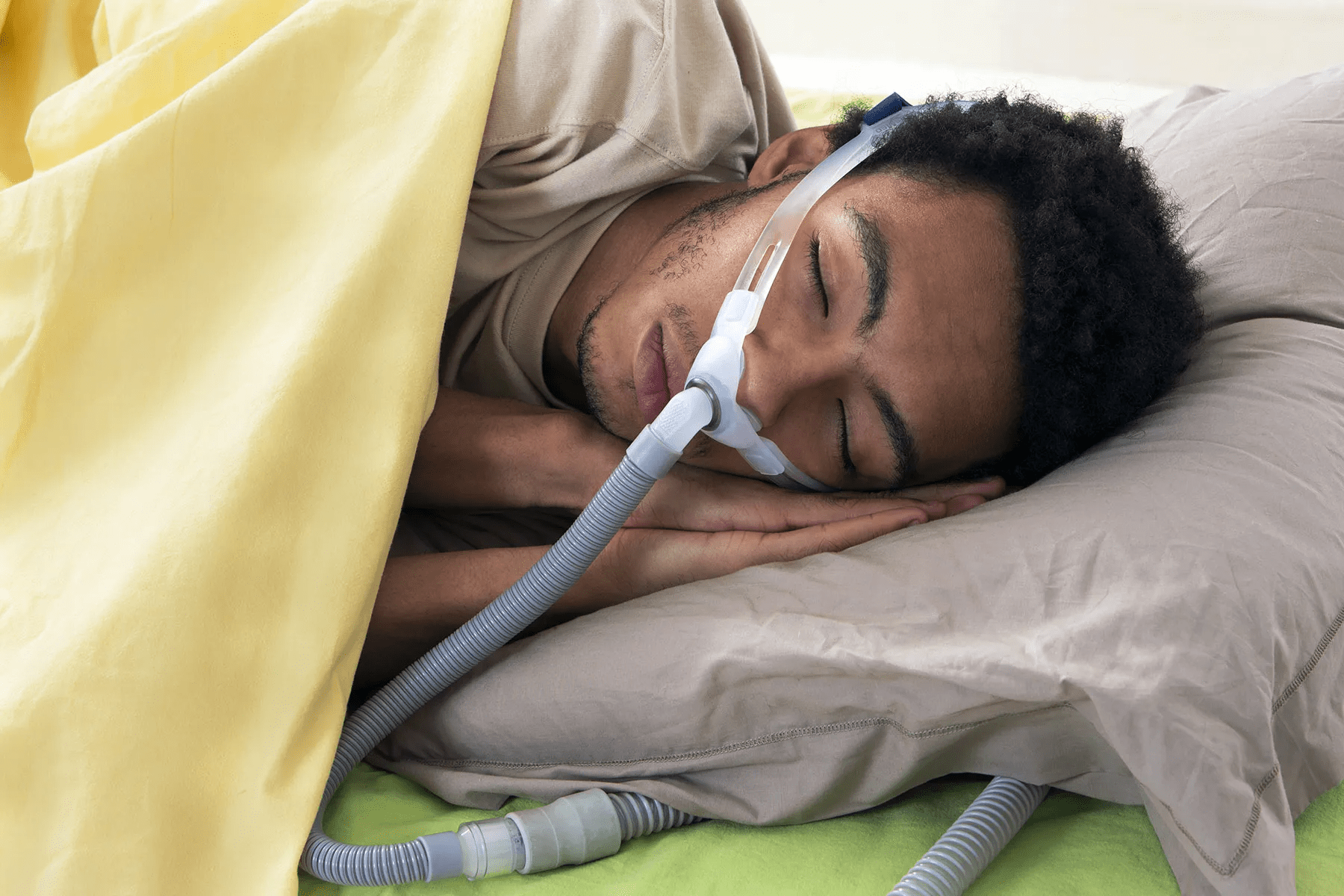
Obstructive sleep apnoea (OSA) affects thousands of people across the UK, causing repeated interruptions in breathing during sleep. Left untreated, it can contribute to excessive daytime tiredness, poor concentration, high blood pressure, cardiovascular disease, and reduced quality of life. Continuous Positive Airway Pressure (CPAP) therapy remains the gold-standard treatment for many people, but not everyone finds it comfortable or can use it consistently.
For carefully selected patients, hypoglossal nerve stimulation implants offer an alternative approach. At Snoring & Sleep Clinic London, led by Mr Ryan Chin Taw Cheong, patients undergo comprehensive assessment to determine whether an implant is appropriate or whether another treatment would provide better long-term results. So, is a sleep apnoea implant better than CPAP? The answer depends entirely on the individual.
What Is Hypoglossal Nerve Stimulation?
Hypoglossal nerve stimulation is an advanced treatment for moderate to severe obstructive sleep apnoea. Instead of delivering air pressure like CPAP, it works by gently stimulating the hypoglossal nerve, which controls tongue movement.
During sleep, this stimulation encourages the tongue and surrounding airway muscles to move forwards, helping keep the airway open and reducing breathing interruptions.
For suitable patients considering hypoglossal nerve stimulation UK, this technology may improve airflow throughout the night while avoiding the need for a mask.
How Does CPAP Compare with a Sleep Apnoea Implant?
Although both treatments aim to improve breathing during sleep, they work in very different ways.
CPAP Therapy
CPAP uses a bedside machine connected to a mask worn during sleep. The machine delivers continuous air pressure to prevent the airway from collapsing.
Benefits include:
- Highly effective for many patients
- Non-surgical
- Immediate therapeutic effect
- Well-established long-term evidence
Limitations may include:
- Difficulty tolerating the mask
- Air leaks
- Dry mouth or nasal irritation
- Poor long-term compliance in some individuals
Hypoglossal Nerve Implants
Implants work internally without requiring a mask during sleep.
Potential advantages include:
- No external mask
- Improved comfort for selected patients
- Natural breathing during sleep
- Long-term treatment option following successful implantation
However, implant surgery is not suitable for everyone and requires careful assessment before proceeding.
Who Is a Suitable Candidate?
A sleep apnoea implant is not designed to replace CPAP for every patient.
Generally, suitable candidates are adults who:
- Have moderate to severe obstructive sleep apnoea
- Cannot tolerate or do not benefit from CPAP
- Meet specific anatomical and medical criteria
- Have appropriate body weight and airway characteristics
Patient selection is essential because the success of treatment depends heavily on individual airway anatomy.
Why Is a Comprehensive Airway Assessment So Important?
Before recommending implant surgery, specialists perform detailed investigations to understand exactly why the airway collapses during sleep.
Assessment usually includes:
Sleep Study
A sleep study measures breathing interruptions, oxygen levels, heart rate, airflow and sleep quality to confirm the severity of obstructive sleep apnoea.
ENT Examination
A detailed examination identifies structural factors affecting the nose, throat and upper airway.
Drug-Induced Sleep Endoscopy (DISE)
DISE involves examining the airway while the patient is under light sedation. This allows the ENT surgeon to observe the precise pattern of airway collapse during simulated sleep.
DISE plays a key role in determining whether implant therapy is likely to be effective and helps guide personalised treatment planning.
Available Implant Systems
Several hypoglossal nerve stimulation systems are available for selected patients.
Patients researching Inspire sleep implant UK options will find that this system uses an implanted pulse generator connected to the hypoglossal nerve. The device is activated before sleep and helps maintain airway openness throughout the night.
Another innovative option is the Genio Nyxoah implant UK, which uses a different stimulation approach designed for carefully selected patients following specialist assessment.
Your ENT surgeon will recommend the most appropriate option based on your airway anatomy, sleep study findings and overall health.
What Happens During Recovery?
Implant surgery is performed under general anaesthetic.
Recovery usually involves:
- A short healing period after surgery
- Temporary activity restrictions while tissues heal
- Device activation several weeks later
- Follow-up appointments to optimise settings
- Ongoing monitoring to assess treatment effectiveness
Most patients require adjustment appointments after activation to ensure the device provides the best possible results.
Is an Implant Better Than CPAP?
Neither treatment is universally “better.”
CPAP remains the first-line treatment for many people because of its proven effectiveness and non-surgical nature.
Implants become an attractive option when:
- CPAP cannot be tolerated
- Airway anatomy is suitable
- Assessment confirms likely benefit
- Patients understand the advantages and limitations of surgery
Choosing the right treatment depends on careful medical assessment rather than personal preference alone.
Maintaining Long-Term Sleep Health
Regardless of treatment type, healthy lifestyle habits remain important.
These include:
- Maintaining a healthy body weight
- Limiting alcohol before bedtime
- Sleeping on your side if advised
- Managing nasal congestion
- Attending regular follow-up appointments
- Treating any associated medical conditions
Long-term success depends on combining appropriate treatment with ongoing healthy sleep habits.
Questions to Ask Your ENT Surgeon
Before considering implant therapy, it is helpful to ask:
- Am I a suitable candidate?
- What does my sleep study show?
- Will I need DISE?
- Which implant system is recommended and why?
- What are the risks and expected benefits?
- What follow-up appointments are required?
- What alternatives are available if I am unsuitable?
An informed discussion helps patients make confident treatment decisions.
Frequently Asked Questions
Does a sleep apnoea implant cure sleep apnoea?
No. The aim is to improve airway stability and reduce obstructive breathing events in carefully selected patients. Regular follow-up remains important.
Is implant surgery painful?
Most patients experience temporary discomfort following surgery, which usually improves as healing progresses.
Can everyone with sleep apnoea have an implant?
No. Eligibility depends on detailed assessment, including sleep studies, ENT examination and Drug-Induced Sleep Endoscopy.
Is CPAP still recommended first?
Yes. CPAP remains the first-line treatment for many patients because of its effectiveness and extensive clinical evidence.
How long does recovery take?
Recovery varies between individuals, but the implant is typically activated several weeks after surgery once healing has occurred.
Will I still need follow-up appointments?
Yes. Regular reviews help optimise device settings and monitor treatment outcomes over time.
Conclusion
Hypoglossal nerve stimulation represents an exciting development in the treatment of obstructive sleep apnoea, offering a valuable option for carefully selected patients who cannot tolerate CPAP. However, it is not a universal replacement for CPAP, and successful treatment depends on detailed assessment, accurate diagnosis and careful patient selection.
At Snoring & Sleep Clinic London, comprehensive sleep studies, ENT assessment and Drug-Induced Sleep Endoscopy help determine the most appropriate treatment for each individual. If you are struggling with CPAP or suspect obstructive sleep apnoea is affecting your health, booking a specialist consultation is the first step towards receiving a personalised treatment plan tailored to your airway, symptoms and long-term wellbeing.