
How Urban Transit Expansion Is Creating Opportunities in the Rolling Stock Market
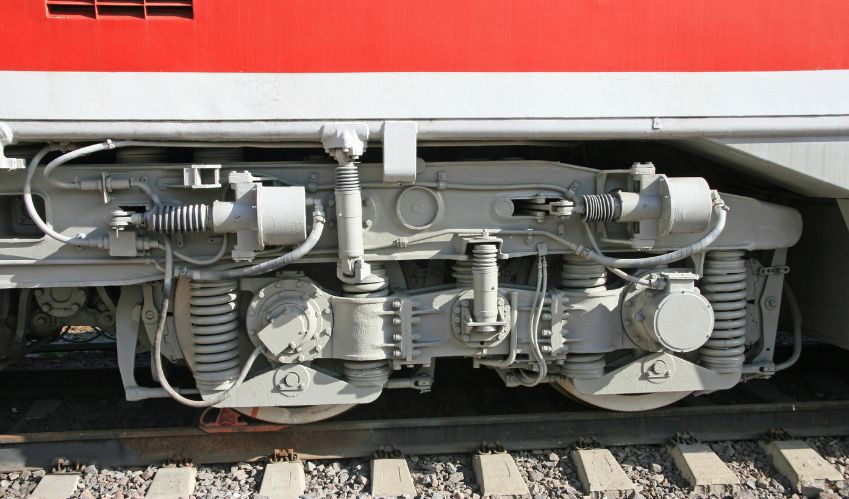
Urbanization is accelerating across the world, increasing the demand for efficient, reliable, and sustainable public transportation systems. As cities continue to expand and populations grow, governments are investing heavily in modern rail infrastructure to reduce traffic congestion, improve mobility, and lower carbon emissions. Rolling stock, which includes passenger coaches, metro trains, locomotives, trams, freight wagons, and high-speed rail vehicles, plays a critical role in supporting these transportation networks. The growing emphasis on smart and sustainable urban transit is creating significant growth opportunities for the global rolling stock market.
Public transportation has become a priority for many countries seeking to improve connectivity while addressing environmental concerns. Metro rail projects, suburban rail systems, and high-speed rail corridors are being developed to accommodate increasing passenger volumes. At the same time, railway operators are replacing aging fleets with energy-efficient and digitally connected rolling stock that offers improved safety, comfort, and operational efficiency. Technological advancements such as predictive maintenance, intelligent monitoring systems, and automation are further enhancing the performance and reliability of modern rail vehicles.
According to Expert Market Research, the global rolling stock market reached approximately USD 66.51 Billion in 2025 and is projected to grow at a CAGR of 4.10% during the forecast period of 2026–2035, reaching around USD 99.40 Billion by 2035. Rising investments in urban transit infrastructure, railway modernization projects, electrification initiatives, and sustainable transportation solutions are expected to drive steady market growth over the coming decade.
Urbanization Is Increasing Demand for Rail Transportation
Rapid urban population growth is placing significant pressure on existing transportation infrastructure. Cities are expanding metro networks, light rail systems, and commuter rail services to improve mobility while reducing dependence on private vehicles.
Modern rolling stock enables transit authorities to transport large numbers of passengers efficiently while minimizing travel time and congestion. As urban populations continue to rise, investments in rail transportation are expected to increase significantly.
This trend is creating strong long-term demand for advanced rolling stock solutions.
Governments Are Investing in Public Transit
Governments worldwide are allocating substantial budgets to strengthen railway infrastructure as part of broader sustainable transportation strategies. Investments in metro systems, regional railways, and high-speed rail projects are helping improve connectivity between cities and suburban areas.
Public infrastructure initiatives are also generating demand for new passenger trains, electric multiple units (EMUs), diesel multiple units (DMUs), and light rail vehicles. Long-term government funding remains one of the primary drivers of market growth.
These investments are supporting modernization across both developed and emerging economies.
Electrification Is Supporting Sustainable Mobility
Rail electrification has become a key strategy for reducing greenhouse gas emissions and improving energy efficiency. Electric rolling stock offers lower operating costs, reduced noise pollution, and significantly lower emissions compared to diesel-powered alternatives.
Many countries are replacing conventional locomotives with electric trains as part of their climate and sustainability goals. Growing electrification projects are encouraging manufacturers to develop energy-efficient rolling stock with improved environmental performance.
Sustainability initiatives continue to strengthen market expansion.
Smart Technologies Are Transforming Rolling Stock
Digital technologies are making modern rolling stock more intelligent and efficient. Artificial intelligence, Internet of Things (IoT) sensors, predictive maintenance systems, and real-time monitoring solutions help railway operators improve fleet performance while reducing maintenance costs.
Smart trains continuously collect operational data, allowing maintenance teams to identify potential issues before failures occur. This predictive approach minimizes downtime and improves passenger safety.
Technological innovation is becoming a major competitive advantage for rolling stock manufacturers.
High-Speed Rail Projects Drive Market Growth
High-speed rail continues to gain popularity as countries seek faster and more sustainable alternatives to road and air transportation. New high-speed rail corridors require advanced rolling stock capable of operating safely at high speeds while maintaining passenger comfort.
Manufacturers are investing in lightweight materials, aerodynamic designs, and energy-efficient propulsion systems to improve train performance. Expanding high-speed rail networks are creating substantial opportunities for rolling stock suppliers.
Demand for high-performance trains is expected to remain strong throughout the forecast period.
Passenger Comfort Is Becoming a Priority
Modern commuters expect greater comfort, convenience, and digital connectivity during travel. Rolling stock manufacturers are responding by introducing ergonomic seating, improved climate control systems, Wi-Fi connectivity, real-time passenger information, and enhanced accessibility features.
These improvements encourage greater use of public transportation while improving customer satisfaction. Passenger-focused innovation has become an important differentiator in competitive railway markets.
Enhanced travel experiences support long-term ridership growth.
Freight Rail Modernization Supports Industry Expansion
While passenger transportation remains a major growth segment, freight rail also contributes significantly to the rolling stock market. Industries increasingly rely on rail freight for transporting bulk commodities, manufactured goods, and containers efficiently over long distances.
Modern freight wagons equipped with intelligent tracking systems, improved load capacities, and enhanced durability improve logistics performance while reducing transportation costs.
Expanding international trade and industrial development continue driving freight rolling stock demand.
Digitalization Improves Operational Efficiency
Railway operators are adopting digital technologies to improve scheduling, fleet management, and operational reliability. Cloud-based monitoring systems, automated diagnostics, and AI-driven maintenance planning help maximize rolling stock utilization.
Digital transformation enables operators to optimize maintenance schedules while improving service quality and reducing operational disruptions. These technologies support long-term cost savings and improved network performance.
Digital innovation is becoming increasingly important throughout the railway industry.
Sustainability Encourages Innovation
Environmental sustainability remains a major focus across the transportation sector. Rolling stock manufacturers are investing in recyclable materials, lightweight construction, regenerative braking systems, and energy-efficient propulsion technologies.
Hydrogen-powered trains and battery-electric rail vehicles are also emerging as environmentally friendly alternatives for non-electrified railway routes. These innovations support global efforts to reduce transportation-related emissions.
Sustainability will continue shaping future product development.
Future Outlook
The future of the rolling stock market appears promising as governments continue expanding urban transit systems and investing in sustainable transportation infrastructure. Artificial intelligence, automation, electrification, and predictive maintenance technologies will further improve train performance, operational efficiency, and passenger safety.
Increasing urbanization, rising public transportation investments, expanding freight rail networks, and growing emphasis on environmentally friendly mobility solutions are expected to support market growth throughout the forecast period. Companies that focus on innovation, digitalization, and sustainable rail technologies will be well positioned to benefit from emerging opportunities.
Conclusion
Urban transit expansion is creating significant opportunities for the global rolling stock market by driving investments in modern railway infrastructure, smart transportation systems, and sustainable mobility solutions. Advances in electrification, digital technologies, predictive maintenance, and passenger comfort are transforming the next generation of rolling stock while improving operational efficiency and environmental performance.
According to Expert Market Research, the global rolling stock market reached approximately USD 66.51 Billion in 2025 and is expected to grow at a CAGR of 4.10% during 2026–2035, reaching around USD 99.40 Billion by 2035. Supported by rapid urbanization, government infrastructure spending, and continued technological innovation, the rolling stock market is poised for steady growth and will remain a vital component of the future global transportation industry.