
How a B2B Travel Booking System Can Grow Your Travel Business
Running a travel business today is not only about selling flights, hotels, tours, or holiday packages. Customers expect quick responses, accurate availability, smooth bookings, and clear communication at every stage of their journey. At the same time, travel agencies and tour operators need to manage suppliers, agents, bookings, payments, customer information, and daily operations without creating unnecessary manual work.
As a travel business grows, handling these tasks through spreadsheets, emails, phone calls, and separate booking tools can become difficult. This is where a well-planned booking platform can make a practical difference. A modern system can bring important travel operations into one place, helping businesses save time, reduce avoidable errors, and serve their customers more efficiently.
Why Travel Businesses Need Better Booking Operations
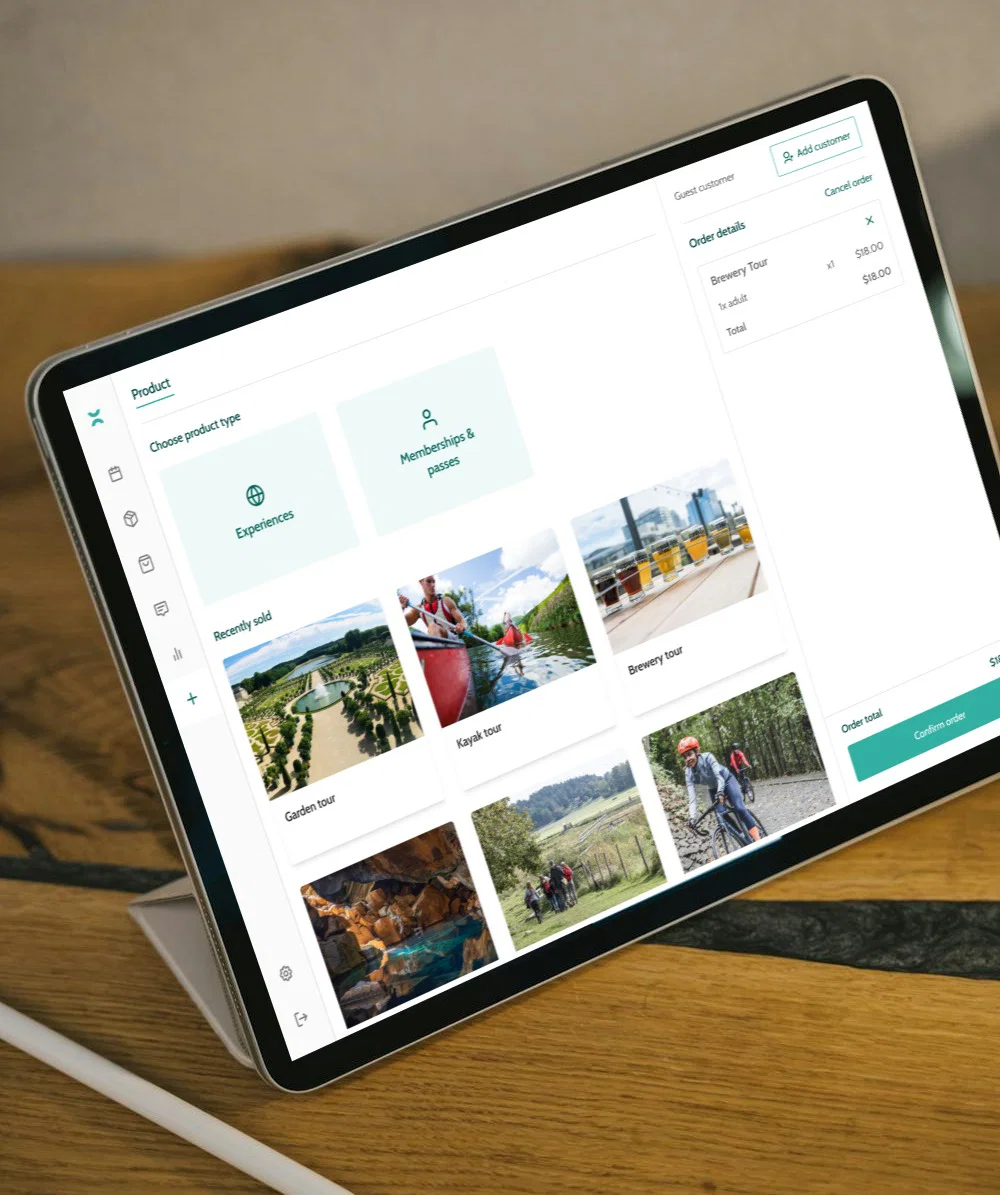
b2b travel booking system solutions are designed to make business-to-business travel transactions easier to manage. Instead of relying on disconnected tools, travel companies can provide their agents, partners, and business clients with a structured environment for searching services, checking availability, creating bookings, and managing travel products.
This becomes especially useful for companies working with multiple agents or selling inventory through a network of travel partners. A centralized platform can give authorized users access to the products and information they need while allowing the main business to maintain control over pricing, availability, bookings, and user permissions.
The real value is not simply having another piece of software. It is creating a smoother process between the travel company, its suppliers, business partners, and customers.
Make Everyday Travel Tasks Easier to Manage
One of the biggest challenges for growing travel companies is the amount of repetitive work involved in everyday operations. Staff may spend hours checking availability, preparing quotations, confirming reservations, updating booking records, sending information to agents, and answering routine questions.
A centralized booking platform can reduce much of this manual effort. Agents can search available services, review relevant options, and submit bookings through a defined workflow. The internal team can then focus more of its time on customer service, supplier relationships, sales, and complicated travel requests.
Automation also creates greater consistency. When information is handled through a structured system, there is less dependence on individual employees remembering every step of a process. This can become particularly valuable when booking volumes increase.
Give Travel Partners a Better Booking Experience
Business travel sales often depend on relationships with other agencies, resellers, corporate clients, and tour operators. If partners find the booking process slow or confusing, they may look for easier ways to work with another supplier.
A good platform should therefore be designed around the people who actually use it. The interface should be straightforward, searches should be easy to understand, and booking information should be available without unnecessary steps.
Synch Travel focuses on travel technology that can help businesses build more organized booking operations while supporting the needs of modern travel companies. The aim should always be to make technology useful for the business rather than forcing employees and partners to adapt to an unnecessarily complicated process.
A better partner experience can also support stronger business relationships. When agents can work efficiently, they have more confidence in the supplier behind the platform.
Connect Travel Products Through One Platform
Travel businesses rarely sell just one type of service. Depending on their market, they may work with hotels, flights, transfers, activities, tours, packages, and other travel products.
Managing these services separately can make operations harder to control. A centralized booking environment can help bring different travel products together so users can access relevant options from a more organized interface.
APIs can play an important role in this process. Through suitable supplier and inventory integrations, travel businesses can connect their systems with external travel services and make information available within their own booking environment. The exact integration requirements depend on the supplier, product, business model, and technical setup.
This approach can help reduce unnecessary switching between different platforms. Instead of searching across multiple systems for every request, users can work through a more connected workflow.
Improve Control Over Agents and Business Partners
Growth can bring a new challenge: managing more users without losing control.
When a travel company works with multiple agents, it may need different access levels, pricing rules, booking permissions, and account structures. A properly configured platform can help administrators organize these requirements according to their business model.
For example, a company may want one group of partners to access specific products while another group receives different commercial terms. It may also need to monitor bookings made by individual agents or review account activity.
A centralized system makes these processes easier to structure. Instead of managing everything through scattered emails and documents, administrators can work from a defined digital environment.
For businesses considering new technology, a tour operator software demo can also be useful before making a decision. Seeing the actual workflow can help a company determine whether the platform supports its booking process, partner requirements, user management needs, and future growth plans.
Turn Booking Data Into Better Business Decisions
Every booking creates useful operational information. Travel companies can use booking records to understand which products are being sold, which partners are active, and where customers or agents are generating demand.
A well-organized platform can make this information easier to review. Depending on the available features, businesses may be able to monitor bookings, revenue-related information, customer records, agent activity, and other operational details.
The purpose is not simply to collect more data. The important part is making information easier to understand and use.
For example, if a business notices that certain travel products receive frequent requests from a particular partner group, it may decide to improve availability, adjust its sales approach, or create a more suitable package. These decisions become easier when booking information is organized rather than spread across different files and communication channels.
Reduce Errors in the Booking Process
Travel bookings often involve details that must be accurate. Passenger names, travel dates, hotel information, room requirements, pricing, payment details, and booking confirmations all need careful handling.
Manual processes can create opportunities for mistakes, particularly when employees repeatedly transfer information between systems.
Digital workflows can help reduce unnecessary data entry and provide a consistent process from search to booking confirmation. Automated notifications and centralized records can also make it easier for staff to find the latest booking information when a customer or partner needs assistance.
Technology cannot remove every possible booking issue, but a well-designed workflow can reduce avoidable operational problems and make existing issues easier to identify.
Build a More Scalable Travel Business
A system that works for a small number of bookings may not remain practical when a company expands. More agents, more suppliers, more destinations, and higher booking volumes can quickly increase operational pressure.
Scalability should therefore be considered when selecting travel technology. Businesses should look beyond their current requirements and think about how the platform can support future users, products, integrations, and workflows.
The goal is not to automate every task simply because automation is available. The better approach is to automate repetitive processes while keeping human involvement where experience and judgment are important.
This balance allows travel professionals to spend more time handling complex customer needs and building relationships instead of repeatedly performing administrative tasks.
Create a Stronger Foundation for Travel Business Growth
Technology works best when it supports a clear business process. Before selecting a booking platform, travel companies should understand what is slowing their operations today.
They should consider questions such as:
- How are bookings currently created and confirmed?
- How many agents or business partners need access?
- Which suppliers need to be connected?
- What information should different users be able to see?
- Where does the team spend the most time on repetitive work?
- How are booking records and customer details currently managed?
- What will the business need as booking volumes increase?
Answering these questions can help a company choose technology based on actual operational requirements rather than features alone.
A booking platform should fit the business model, not the other way around.
What to Look for Before Choosing a Booking Platform
The right solution will depend on the type and size of the travel business, but several areas deserve careful consideration.
First, usability matters. If employees and agents struggle to understand the interface, even a feature-rich platform may create more work instead of reducing it.
Second, integration capabilities should be reviewed carefully. A business should understand which APIs and supplier connections are available and whether they match its products and markets.
Third, user management and access controls are important for companies working with multiple partners. The system should support an organized way to manage users and their permissions.
Finally, businesses should consider support, reliability, customization options, reporting capabilities, and the ability to adapt as their operations change.
A good technology decision is not only about what the platform can do today. It is also about whether it can continue supporting the business as its needs develop.
Conclusion
Growing a travel business requires more than attracting new customers. The company also needs reliable processes that can handle increasing bookings, partners, products, and customer expectations.
A well-designed B2B booking platform can help bring these operations together by simplifying reservations, supporting partner access, connecting travel inventory, reducing repetitive work, and making booking information easier to manage.
For travel agencies, tour operators, wholesalers, and other travel businesses, the right technology can provide a stronger operational foundation for growth. The most effective solution will be one that understands the realities of travel operations and makes everyday work simpler for the people using it.
When technology is selected around genuine business needs rather than unnecessary complexity, it can become a practical part of long-term travel business growth.