
Best AI Photo Editor for Real Estate: How to Choose the Right Tool
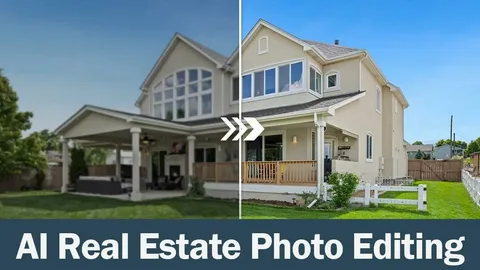
Real estate photography has become one of the most important parts of marketing a property. Buyers often form their first impression from listing photos before they read the description, check the floor plan, or schedule a viewing. Poor lighting, dull colors, cluttered backgrounds, or inconsistent images can make an otherwise attractive property look less appealing.
This is where artificial intelligence can make a meaningful difference. The best AI photo editor for real estate can help agents, photographers, property managers, and homeowners improve listing images without spending hours making manual adjustments. AI-powered editing can handle tasks such as lighting correction, image enhancement, sky replacement, object removal, and resolution improvement.
However, choosing an AI editor is not simply about finding the tool with the largest number of features. The right solution should produce realistic results, save time, and help property photos look polished without making them appear artificial.
Why Real Estate Photos Need Professional Editing
Real estate images have a different purpose from ordinary photographs. They need to show a property accurately while presenting its strongest visual qualities.
A living room photographed on a cloudy day may appear darker than it actually is. Interior lights can create unwanted color differences, while windows may become overexposed when the camera is adjusted for the darker parts of the room.
Professional editing can balance these problems.
An effective real estate photo editing workflow can improve brightness, contrast, color balance, sharpness, and overall consistency. The goal is not to transform a property into something it is not. Instead, editing should make the photograph a clearer representation of the actual space.
What Makes the Best AI Photo Editor for Real Estate?
Not every AI photo editor is designed for property marketing. When comparing different tools, real estate professionals should pay attention to several practical factors.
1. Natural-Looking Enhancement
The most important feature is realistic output. An AI editor should improve an image without making walls look unnaturally bright, grass excessively green, or skies obviously fake.
Natural editing helps maintain trust with potential buyers. Listing photos should look attractive but still represent the property honestly.
2. Interior Lighting Correction
Lighting is one of the biggest challenges in property photography. AI technology can identify dark areas and adjust exposure while preserving details in brighter sections of an image.
This can be particularly useful for kitchens, basements, hallways, bedrooms, and other spaces where natural light is limited.
3. Window and Exposure Balancing
Windows often create a difficult exposure problem. If the camera exposes the interior correctly, the view outside may become washed out. If it exposes the window correctly, the room can appear too dark.
Modern AI editing tools can help balance these areas, producing an image in which both the interior and exterior view retain useful detail.
4. Object Removal
Unwanted objects can distract viewers from the property itself. Boxes, small pieces of furniture, cables, trash cans, or other temporary items may be visible in a listing photograph.
AI object removal can identify and erase selected distractions while reconstructing the background. This can save considerable time compared with manually editing every unwanted element.
5. Image Upscaling and Sharpening
High-quality images are essential for property websites, listing platforms, brochures, and social media.
An AI upscaler can increase the apparent resolution of smaller images and restore certain details. This can be helpful when an original photograph is not large enough for a particular marketing application.
However, upscaling cannot magically recreate every missing detail. Starting with a high-quality original photograph is still the best approach.
AI Features That Can Save Real Estate Professionals Time
One of the biggest advantages of AI photo editing is workflow efficiency.
A real estate photographer may need to process dozens of images from a single property. Making the same exposure and color adjustments manually across every photograph can become repetitive.
AI-assisted editing can speed up several parts of this process.
Batch Editing
Batch processing allows similar adjustments to be applied across multiple images. This is particularly valuable when photographs were captured under consistent lighting conditions.
Instead of editing each file from scratch, users can establish a consistent visual appearance and apply appropriate corrections across a group of images.
Automatic Color Correction
Different rooms can have different light sources. Daylight, warm bulbs, and LED fixtures may produce noticeable color differences.
AI-powered color correction can help create a more consistent appearance across a property gallery, making the listing feel more professional.
Sky Enhancement for Exterior Photos
Exterior photographs often depend heavily on weather conditions. A gray sky can make a property appear less inviting.
Some AI editors provide sky enhancement or replacement features. These should be used carefully. A subtle improvement can make an image more appealing, while an exaggerated sky can immediately look unrealistic.
How to Choose an AI Editor for Your Real Estate Workflow
Before selecting a tool, consider how you actually work.
If you are an agent who edits only a few images occasionally, simplicity may be more valuable than a large collection of advanced features. A photographer processing hundreds of images each month may prioritize batch processing, consistent results, and export options.
Also consider whether the editor supports the file formats and image sizes you normally use.
Another important consideration is control. Automatic editing is convenient, but users should still be able to adjust the final result. AI should assist the editing process rather than remove creative and professional judgment entirely.
See more: best ai real estate photo editor
Avoid Overediting Real Estate Photos
AI makes it easy to improve photographs, but more editing is not always better.
Overly bright interiors can make rooms appear larger or more open than they really are. Excessive HDR effects can create unnatural textures, while aggressive sharpening can introduce visual artifacts.
Real estate professionals should follow a simple principle: enhance the photograph without misrepresenting the property.
For example, removing temporary clutter is generally useful, but digitally changing permanent features can create unrealistic expectations. Likewise, color correction is helpful, but changing the actual color of walls, flooring, or fixtures could mislead potential buyers.
Best Practices for Better AI-Edited Property Photos
AI editing works best when it starts with good photography.
Use a stable camera position, keep vertical lines straight, and capture rooms with suitable lighting whenever possible. Shoot multiple angles when necessary so buyers can understand the layout.
After photography, review the complete gallery rather than judging images individually. Ask whether the photos have a consistent appearance from room to room.
It is also worth checking the final images at full resolution. Small imperfections that are difficult to notice in a thumbnail may become obvious when the photograph is displayed on a large screen.
For professionals looking to explore modern image enhancement workflows, an AI photo editing solution can be another option to evaluate alongside traditional editing software.
AI Editing vs. Traditional Photo Editing
Traditional photo editing still has an important place in real estate photography. Experienced editors can make precise decisions that automated systems may not always understand.
AI, however, can reduce the amount of repetitive work. It can handle routine adjustments quickly and allow professionals to spend more time on creative decisions and quality control.
The strongest workflow may therefore combine both approaches: use AI for time-consuming corrections and automation, then manually review important images before publication.
Final Thoughts
The best AI photo editor for real estate is not necessarily the one with the most impressive list of features. It is the tool that fits your workflow while producing realistic, consistent, and professional-looking images.
Features such as lighting correction, object removal, image upscaling, color enhancement, batch processing, and exposure balancing can significantly reduce editing time. But technology should always support accurate property marketing rather than replace professional judgment.
When selecting an AI editor, test it with several real listing photographs instead of relying only on demonstrations. Compare the original and edited versions, examine the details, and make sure the final results still represent the property honestly. A thoughtful combination of quality photography, AI assistance, and human review can create stronger listing images and a more efficient real estate marketing process.