
The Digital Scalpel: How Robotics and AR are Redefining the Modern Surgeon
The Digital Scalpel: How Robotics and AR are Redefining the Modern Surgeon
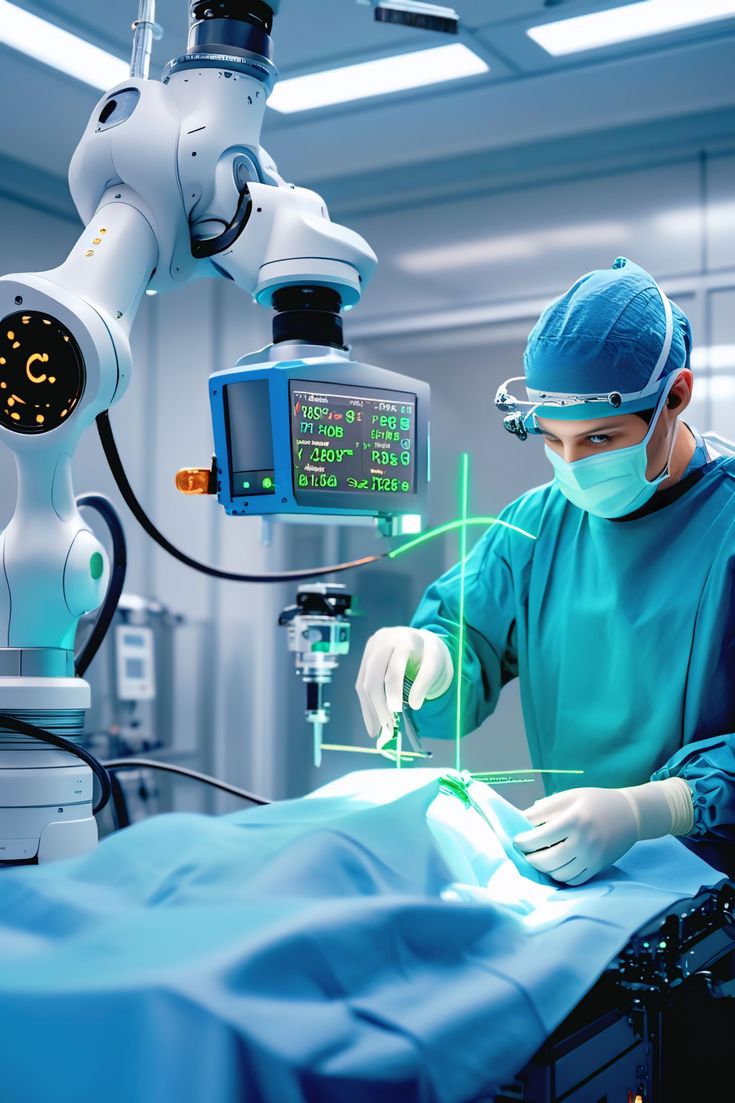
The image of a surgeon hunched over an operating table under a single bright spotlight is rapidly becoming a relic of the past. As seen in the accompanying visual, the modern operating theater has transformed into a high-tech command center. This evolution represents more than just new tools; it signifies a fundamental shift in the “job description” of a doctor, moving from pure manual dexterity to a sophisticated blend of human intuition and technological mastery.
The Rise of the “Techno-Surgeon”
The surgeon in the image is not working in isolation. They are part of a symbiotic relationship with a robotic surgical system. These machines do not replace the doctor; rather, they act as a high-precision extension of the doctor’s own hands. By using robotic arms, surgeons can perform complex procedures through tiny incisions with a level of steadiness and range of motion that exceeds human capability.
For the modern doctor, this means the job now requires:
- Advanced Spatial Awareness: Navigating three-dimensional spaces via digital interfaces.
- Data Interpretation: Monitoring real-time vitals and diagnostics displayed directly within their field of vision.
- Systems Management: Overseeing multiple streams of automated assistance while maintaining primary surgical control.
Augmented Reality: The GPS of Surgery
One of the most striking elements in the image is the green holographic overlay. This is Augmented Reality (AR). In the past, a surgeon had to look away from the patient to check a monitor for an MRI or CT scan. Today, AR allows doctors to “see through” the patient’s skin.
By overlaying digital maps of arteries, tumors, or bone structures directly onto the surgical site, doctors can operate with “X-ray vision.” This reduces the margin for error, minimizes damage to healthy tissue, and significantly speeds up recovery times for patients. The doctor’s role has evolved into that of a high-tech navigator, using digital “GPS” to find the safest path through the human body.
A New Era of Patient Care
While the technology is impressive, the core mission of the doctor remains unchanged: healing. However, the way they achieve this is now herring teeth more precise than ever. Robotic-assisted surgery often results in less blood loss, lower risk of infection, and shorter hospital stays.
For the medical professional, this shift requires a commitment to lifelong learning. To stay relevant, doctors must now be as comfortable with software updates and robotic calibration as they are with anatomy and pharmacology. We are witnessing the birth of a new era where the “human touch” is guided by the most advanced digital tools ever created.
Would you like me to create a LinkedIn post or a social media caption based on this article to help share it?