
How Midwife Negligence Claims Work After Birth Injuries
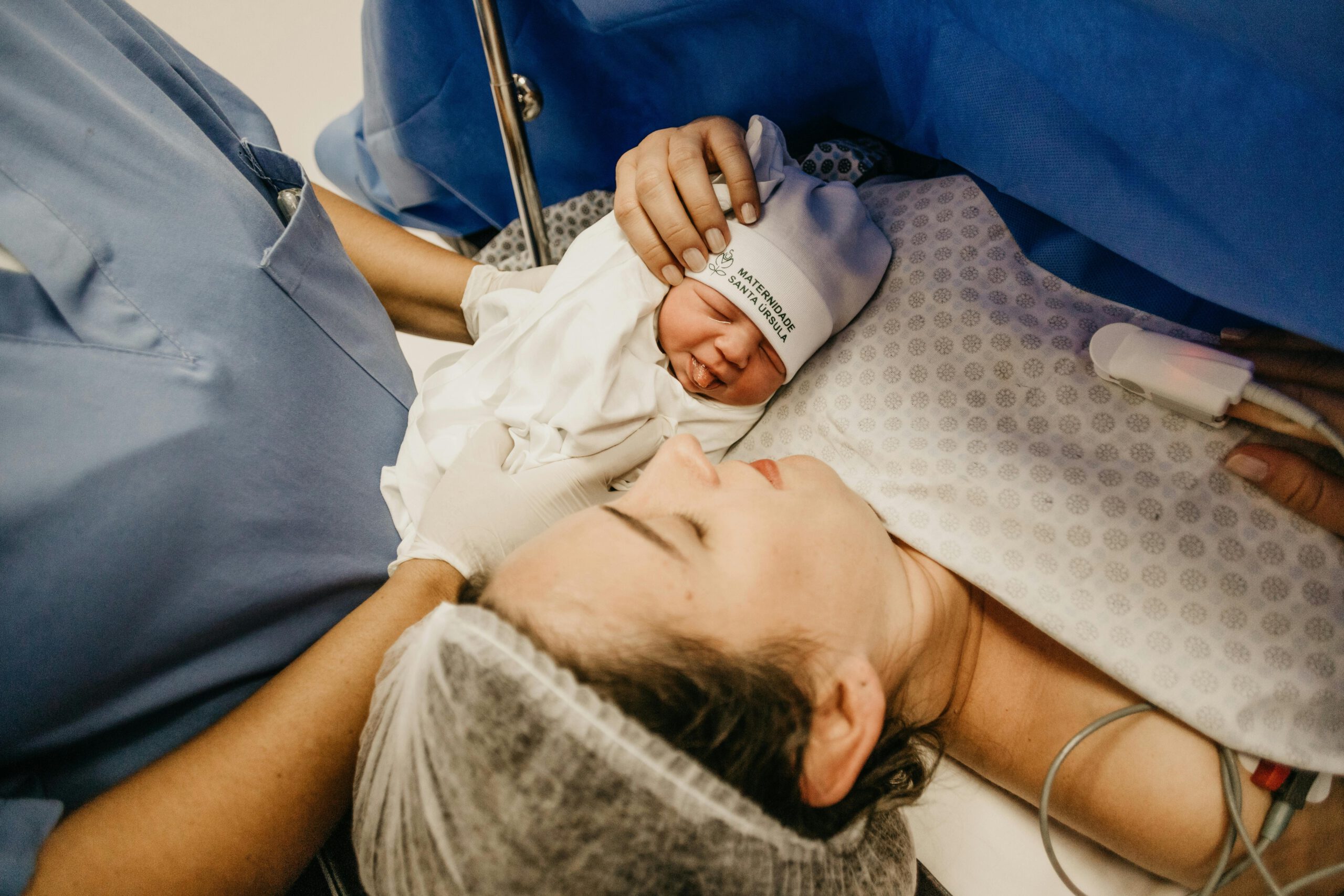
Birth should be a moment of safety, care, and professional vigilance. When standards fall short and a mother or baby suffers harm, midwife negligence claims provide a legal route to accountability and birth injury compensation. This guide delivers a precise, in-depth explanation of how claims work, what constitutes negligence, the evidence required, and how compensation is assessed written to meet the needs of families seeking clarity and justice.
Understanding Midwife Negligence in Maternity Care
Midwives are entrusted with monitoring maternal and fetal wellbeing throughout pregnancy, labour, and the immediate postnatal period. Negligence arises when a midwife breaches the accepted standard of care and that breach directly causes injury.
Common Failures That Lead to Claims
- Inadequate monitoring of fetal heart rate and maternal vitals
- Failure to recognise signs of fetal distress or maternal complications
- Delayed escalation to obstetricians or emergency services
- Incorrect use of delivery instruments or poor labour management
- Medication errors, including dosage or contraindications
- Inadequate postnatal assessment and follow-up
When these failures result in avoidable harm, midwife negligence claims can be pursued to secure birth injury compensation and long-term support.
Types of Birth Injuries Linked to Midwife Negligence
Negligent care can cause injuries ranging from temporary complications to lifelong disabilities. Claims commonly involve:
Infant Injuries
- Hypoxic-Ischaemic Encephalopathy (HIE)
- Cerebral palsy
- Brachial plexus injuries (Erb’s palsy)
- Skull fractures and brain injuries
- Shoulder dystocia-related trauma
Maternal Injuries
- Severe perineal tears
- Postpartum haemorrhage
- Uterine rupture
- Infections due to delayed diagnosis or treatment
- Psychological harm, including PTSD
Each injury type requires tailored medical and legal analysis to establish causation and quantify birth injury compensation.
Legal Basis for Midwife Negligence Claims
A successful claim must prove four elements:
- Duty of Care – The midwife owed a professional duty to the patient.
- Breach of Duty – Care fell below the standard expected of a competent midwife.
- Causation – The breach directly caused or materially contributed to the injury.
- Damages – The injury resulted in measurable harm and loss.
Independent expert evidence is central to demonstrating breach and causation.
Evidence Required to Prove Negligence
Strong claims are built on comprehensive documentation and expert analysis.
Essential Evidence Includes
- Antenatal, labour, and postnatal medical records
- CTG traces and monitoring logs
- Incident reports and internal investigations
- Independent midwifery and obstetric expert opinions
- Neonatal assessments and imaging
- Witness statements from family members and staff
Early evidence preservation improves prospects of success and expedites resolution.
Time Limits for Bringing a Claim
Limitation rules are strict but vary by claimant:
- Adults: Typically three years from the date of injury or knowledge of negligence.
- Children: The limitation period usually runs from the child’s 18th birthday.
- Lack of Capacity: Time limits may be suspended while incapacity persists.
Prompt legal assessment ensures compliance with limitation requirements.
How Birth Injury Compensation Is Calculated
Compensation is designed to restore financial stability and fund lifelong needs where required.
Heads of Loss Commonly Awarded
- General damages for pain, suffering, and loss of amenity
- Special damages for past and future financial losses
- Ongoing medical treatment and therapies
- Care and assistance, including case management
- Specialist equipment and home adaptations
- Educational support and loss of future earnings
Severe cases may result in substantial, structured settlements to cover lifelong care.
Funding Midwife Negligence Claims
Many claims are funded through conditional fee agreements, reducing upfront financial risk. Alternative funding options may include legal expenses insurance or private arrangements, depending on circumstances.
Why Specialist Representation Matters
Birth injury cases involve complex medicine, long-term prognosis, and substantial damages. Specialist legal teams coordinate expert evidence, quantify future needs accurately, and negotiate assertively to maximise birth injury compensation.
Securing Accountability and Long-Term Support
When preventable errors cause harm, midwife negligence claims serve a dual purpose: delivering justice for families and driving improvements in maternity care. With meticulous preparation, authoritative expert evidence, and focused legal strategy, affected families can secure compensation that safeguards their future and supports lifelong wellbeing.