How Much Does It Cost to Make a Certified Green Building in Malaysia?
Discover the detailed costs and factors involved in building a certified green building in Malaysia, focusing on sustainability and efficiency.
Introduction
Building a certified green building in Malaysia is more than just a construction project; it’s a commitment to sustainability, environmental stewardship, and economic efficiency. While the idea of a green building might sound expensive, understanding the costs and benefits helps stakeholders make informed decisions.
Understanding Green Buildings and Their Importance
Definition of Green Buildings
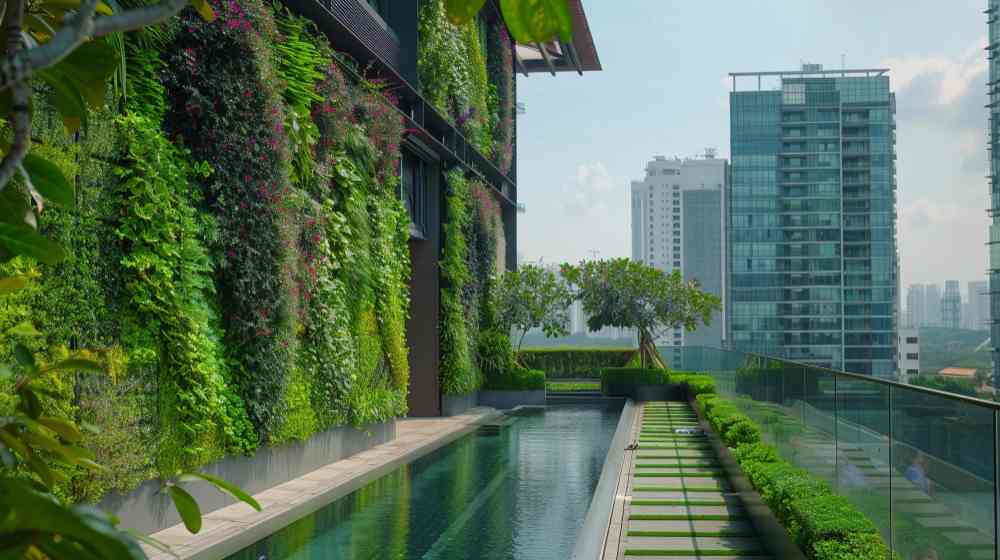
Green buildings are structures designed to minimize environmental impact by focusing on energy efficiency, resource conservation, and sustainable materials.
Why Certification Matters
Green certifications like the Green Building Index (GBI) ensure compliance with sustainable practices, boosting the building’s value and operational efficiency.
Factors Affecting the Cost of a Certified Green Building
Location and Site Selection
Choosing a sustainable site with minimal ecological disruption can significantly influence project costs.
Building Size and Design Complexity
The size and intricacy of the building determine material and labor expenses.
Choice of Green Certification Standards
Opting for certifications like GBI or LEED impacts costs based on criteria and compliance levels.
Overview of Certification Systems in Malaysia
The Green Building Index (GBI)
GBI is the primary certification system in Malaysia, focusing on energy efficiency, water conservation, and indoor environmental quality.
LEED Certification
LEED, a globally recognized standard, evaluates buildings based on sustainable site development and energy performance.
Comparison of Certification Costs
While GBI is locally tailored and cost-effective, LEED is internationally recognized but pricier.
Breakdown of Costs for Green Building Components
Sustainable Construction Materials
Materials like recycled steel and bamboo may cost 20%-30% more upfront but reduce lifecycle costs.
Renewable Energy Systems
Installing solar panels and wind turbines adds to initial costs but lowers energy expenses long-term.
Water Conservation Systems
Rainwater harvesting and greywater recycling systems can save up to 50% on water bills.
Smart Building Technologies
IoT-enabled systems for monitoring energy and water usage enhance efficiency but require initial investment.
Cost Comparison: Green Buildings vs. Conventional Buildings
Initial Investment
Due to premium materials and technologies, green buildings typically cost 10%-20% more than traditional structures.
Long-Term Savings
Green buildings reduce operational costs by 30%-50%, making them cost-effective over time.
Steps to Reduce Green Building Costs
Government Incentives and Subsidies
Malaysian authorities provide tax rebates and grants to encourage sustainable construction.
Innovative Construction Practices
Techniques like modular construction and 3D printing reduce material wastage and labor costs.
Case Studies of Green Buildings in Malaysia
Success Stories
Projects like the Menara Mesiniaga and Perdana Putra showcase the potential of green building practices.
Lessons Learned
Emphasizing early-stage planning and stakeholder collaboration minimizes unforeseen expenses.
FAQs
- What is the average cost of making a green building in Malaysia?
The average cost ranges from RM 2,500 to RM 4,500 per square meter, depending on design and certification level. - Are there financial incentives for building green in Malaysia?
Yes, tax incentives and grants are available for certified green projects. - How do operational costs of green buildings compare to conventional ones?
Green buildings save 30%-50% on energy and water costs compared to traditional buildings. - What are the most affordable sustainable materials in Malaysia?
Locally sourced bamboo, recycled steel, and low-VOC paints are cost-effective options. - How long does it take to achieve green certification in Malaysia?
Certification timelines vary between 6-12 months, depending on project size and compliance. - Can small buildings achieve green certification?
Absolutely. Small buildings can adopt scalable green practices to meet certification standards.
Conclusion
Creating a certified green building in Malaysia involves higher upfront costs but yields significant environmental and financial benefits. By understanding the factors influencing these costs and leveraging government incentives, developers can make sustainable construction accessible and impactful.
Want to learn more? Read: http://electromecanicamx.com/uncategorized/how-to-make-a-certified-green-building-in-malaysia/