Specialty Wholesale Seafood: A Practical Guide to Sourcing Quality Products for Food Businesses
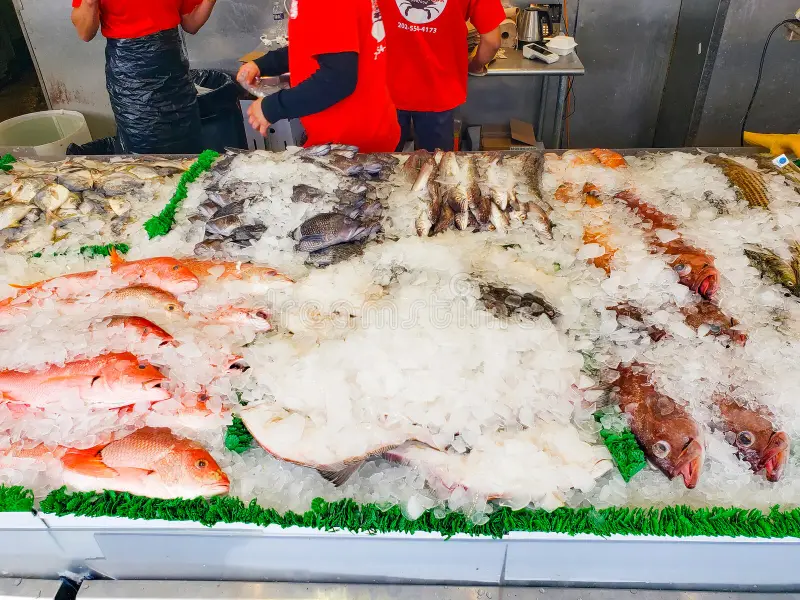
Reliable seafood sourcing can make a significant difference for restaurants, seafood markets, hotels, caterers, and foodservice operators. Unlike many shelf-stable ingredients, seafood is highly perishable. Quality can decline quickly when harvesting, handling, transportation, storage, or temperature control falls short.
For businesses exploring specialty wholesale seafood, the challenge is not simply finding a supplier that offers a large catalog. Buyers need consistent quality, dependable availability, appropriate packaging, transparent sourcing information, and logistics that protect products throughout the supply chain.
A good purchasing strategy also requires understanding the difference between species, product forms, seasonal availability, and customer expectations. With the right approach, businesses can reduce waste, improve menu consistency, and make purchasing decisions based on quality rather than price alone.
What Makes Specialty Wholesale Seafood Different?
Specialty seafood generally refers to products selected for particular characteristics, such as uncommon species, premium cuts, regional varieties, specific harvesting methods, or products prepared for specialized culinary applications.
A wholesale buyer may source whole fish, fillets, shellfish, frozen portions, smoked seafood, or other processed products. Each format has different storage and handling requirements.
For example, a restaurant specializing in sushi may prioritize species, freshness, grading, and handling practices differently from a hotel serving cooked seafood at a large banquet. A neighborhood seafood market may care more about product appearance, package sizes, and shelf life.
The most important consideration is therefore fit. A product is not necessarily better simply because it costs more. It should match the customer’s expectations, preparation method, storage capacity, and sales volume.
How to Build a Reliable Seafood Sourcing Strategy
Buying seafood consistently requires more than placing an order whenever inventory becomes low. A structured process can help businesses control quality and avoid expensive surprises.
1. Define Your Product Requirements
Start by documenting exactly what you need.
Consider:
- Species and acceptable alternatives
- Fresh, frozen, or processed formats
- Whole fish versus fillets
- Desired portion sizes
- Packaging requirements
- Weekly or monthly volume
- Required shelf life
- Delivery frequency
- Target purchasing cost
Suppose a restaurant uses salmon fillets for approximately 200 meals each week. Instead of simply requesting “salmon,” the purchasing team should specify the preferred portion weight, packaging format, frozen or fresh condition, and acceptable substitutions.
Clear specifications make supplier comparisons much easier.
2. Evaluate Quality Before Price
Price matters, but seafood purchasing decisions based entirely on the lowest quote can create problems.
For fresh products, buyers should pay attention to appearance, odor, texture, temperature, packaging integrity, and signs of improper handling. For frozen products, excessive ice buildup, damaged packaging, freezer burn, or unusual discoloration can indicate storage or transportation problems.
Businesses should also establish receiving standards. Staff members need to know what acceptable product looks like and when an order should be rejected or reported.
3. Check Consistency and Availability
A supplier may provide excellent seafood during one delivery and struggle to maintain the same product specifications later.
Ask practical questions about availability:
- Is the species seasonal?
- How often does supply fluctuate?
- Are substitutions common?
- What happens when the preferred product is unavailable?
- How much advance notice is needed for large orders?
This is particularly important for restaurants with signature dishes. If a menu depends on one specialty species but supply is unpredictable, the business may need an approved alternative or seasonal menu strategy.
4. Understand Cold-Chain Management
Temperature control is one of the most important factors in seafood quality.
The cold chain begins after harvesting and continues through processing, storage, transportation, receiving, and final preparation. A weak link at any stage can affect product quality and safety.
Receiving staff should have a consistent procedure. They should inspect packaging, check temperatures according to the business’s food-safety procedures, verify quantities, and move products into appropriate storage promptly.
For example, leaving a seafood delivery sitting on a loading dock while employees handle other tasks creates unnecessary risk. A dedicated receiving process helps minimize the time between delivery and proper refrigeration or frozen storage.
5. Compare Suppliers Using the Same Criteria
When evaluating multiple wholesalers, use a standardized scorecard rather than relying on first impressions.
A simple scorecard can include:
| Factor | Suggested Focus |
|---|---|
| Product quality | Consistency and condition |
| Availability | Reliability throughout the year |
| Pricing | Total purchasing cost |
| Delivery | Accuracy and timeliness |
| Packaging | Protection and usability |
| Communication | Response to problems |
| Traceability | Product and sourcing information |
| Flexibility | Ability to handle changing demand |
This approach prevents a low initial price from overshadowing weaknesses in delivery or product consistency.
Common Challenges When Buying Specialty Seafood
Seasonal Supply Changes
Many seafood products experience natural fluctuations in availability. Weather, fishing conditions, regulations, and seasonal demand can influence supply.
A smart buyer plans around these changes instead of treating them as unexpected emergencies.
Product Substitution
Substitutions can become problematic when the replacement species has different flavor, texture, yield, or cooking characteristics.
If substitutions are necessary, establish approval rules in advance. A purchasing manager may approve minor substitutions, while a chef may need to approve species used in signature dishes.
Inconsistent Product Specifications
A case of fillets can vary considerably in size or trim if specifications are unclear. That variation affects portion control and food costs.
Written product specifications help reduce this problem. Include acceptable size ranges, trimming requirements, packaging format, and other characteristics that matter to your operation.
Overstocking Perishable Inventory
Buying extra seafood simply because the wholesale price looks attractive can lead to waste.
Instead, purchasing quantities should reflect realistic sales forecasts, storage capacity, product shelf life, and upcoming events.
Practical Tips From a Foodservice Perspective
One useful approach is to track yield, not just purchase price.
Imagine two suppliers offer similar fish at different prices. Supplier A charges less per pound, but the product requires more trimming and produces less usable meat. Supplier B costs slightly more but provides better yield.
The cheaper product may actually have a higher effective cost.
Businesses should also track waste. Record how much seafood is discarded because of spoilage, trimming, damaged packaging, overproduction, or unsold portions. Reviewing these numbers monthly can reveal purchasing problems that are difficult to see from invoices alone.
Another useful practice is maintaining a small group of qualified suppliers rather than depending entirely on one source. A primary supplier can handle regular purchasing while an approved secondary source provides flexibility during shortages or unexpected demand.
Communication is equally important. Sharing upcoming promotions, holidays, catering events, and expected volume increases gives suppliers more opportunity to plan.
Finally, train employees to document receiving issues. Photos, delivery records, temperatures, quantities, and product descriptions can help identify recurring problems and support constructive supplier discussions.
Conclusion
Specialty seafood purchasing is ultimately a quality-control and supply-chain exercise. Businesses need products that meet clear specifications, arrive in suitable condition, remain consistent, and fit their operational requirements.
The strongest approach combines careful supplier evaluation, written product standards, cold-chain awareness, realistic inventory planning, and ongoing performance tracking. Instead of choosing seafood based solely on price, buyers should consider yield, reliability, availability, waste, and overall value.
When these practices become part of everyday purchasing, restaurants and other food businesses can create more dependable seafood programs while protecting product quality and controlling unnecessary costs.