Wholesale Maple Syrup: A Practical Guide to Buying Quality Syrup in Bulk
For restaurants, bakeries, food manufacturers, retailers, and hospitality businesses, buying wholesale maple syrup can be more complicated than simply choosing the lowest price per gallon. Syrup varies by grade, flavor, color, packaging, origin, and intended use. A product that works beautifully on pancakes may not be the most economical choice for a bakery or commercial food producer.
Buying in larger quantities also changes the purchasing equation. Storage, shelf life, consistency between batches, shipping costs, and supplier reliability can all affect the actual value of a bulk order. Making the right decision requires looking beyond the label and evaluating how the syrup will perform in your specific operation.
Whether you are stocking a restaurant kitchen or developing packaged foods, understanding these factors can help you purchase maple syrup with greater confidence and avoid expensive quality or inventory problems.
What Makes Maple Syrup Suitable for Wholesale Buying?
Pure maple syrup is made by concentrating sap collected from maple trees. During production, much of the water is removed, leaving a concentrated syrup with characteristic sweetness, aroma, and color.
For wholesale buyers, one of the most important considerations is grade classification. In the United States, maple syrup is generally classified by color and flavor characteristics under the Grade A system. Common descriptions include Golden Color with Delicate Taste, Amber Color with Rich Taste, Dark Color with Robust Taste, and Very Dark Color with Strong Taste.
The right grade depends on the application.
For example, a breakfast restaurant may prefer an amber syrup with a balanced maple flavor. A food manufacturer producing granola or barbecue sauce might choose a darker syrup because its stronger flavor can remain noticeable alongside other ingredients.
Wholesale buyers should also consider whether they need pure maple syrup or a maple-flavored table syrup. These products are not interchangeable. Pure maple syrup contains maple syrup as its defining ingredient, while pancake syrups can contain other sweeteners and flavorings.
How to Choose Maple Syrup for Your Business
A practical purchasing process starts by identifying exactly how the syrup will be used.
1. Define the application
Write down where the syrup will go before contacting suppliers.
Possible applications include:
- Pancakes, waffles, and French toast
- Bakery products
- Desserts and ice cream
- Granola and snack foods
- Sauces and marinades
- Beverages and cocktails
- Retail bottles
- Food manufacturing
This matters because flavor intensity and cost requirements can differ considerably.
A bakery making maple muffins, for instance, may need a consistent flavor profile but may not need the most delicate syrup available. A specialty restaurant serving syrup directly to customers may place greater emphasis on aroma, appearance, and flavor complexity.
2. Determine the required volume
Estimate your normal consumption instead of ordering based on the largest available container.
Suppose a restaurant uses 20 gallons of syrup each month. Ordering 100 gallons may appear economical because of a lower unit price, but it could create storage challenges and tie up cash unnecessarily.
On the other hand, a manufacturer with predictable production volumes may benefit substantially from larger bulk containers.
Look at your historical usage and calculate average monthly consumption. Then consider seasonal changes, promotions, and expected growth.
3. Compare grades based on purpose
Don’t automatically assume that darker syrup is better or that lighter syrup is more premium.
Color primarily indicates differences in flavor intensity. Darker syrup generally has a stronger maple character, which can be useful when the syrup is incorporated into recipes containing chocolate, spices, nuts, or other powerful ingredients.
Lighter syrup may be preferable when maple flavor needs to remain subtle.
The best choice is therefore the one that performs well in the final product.
4. Evaluate packaging
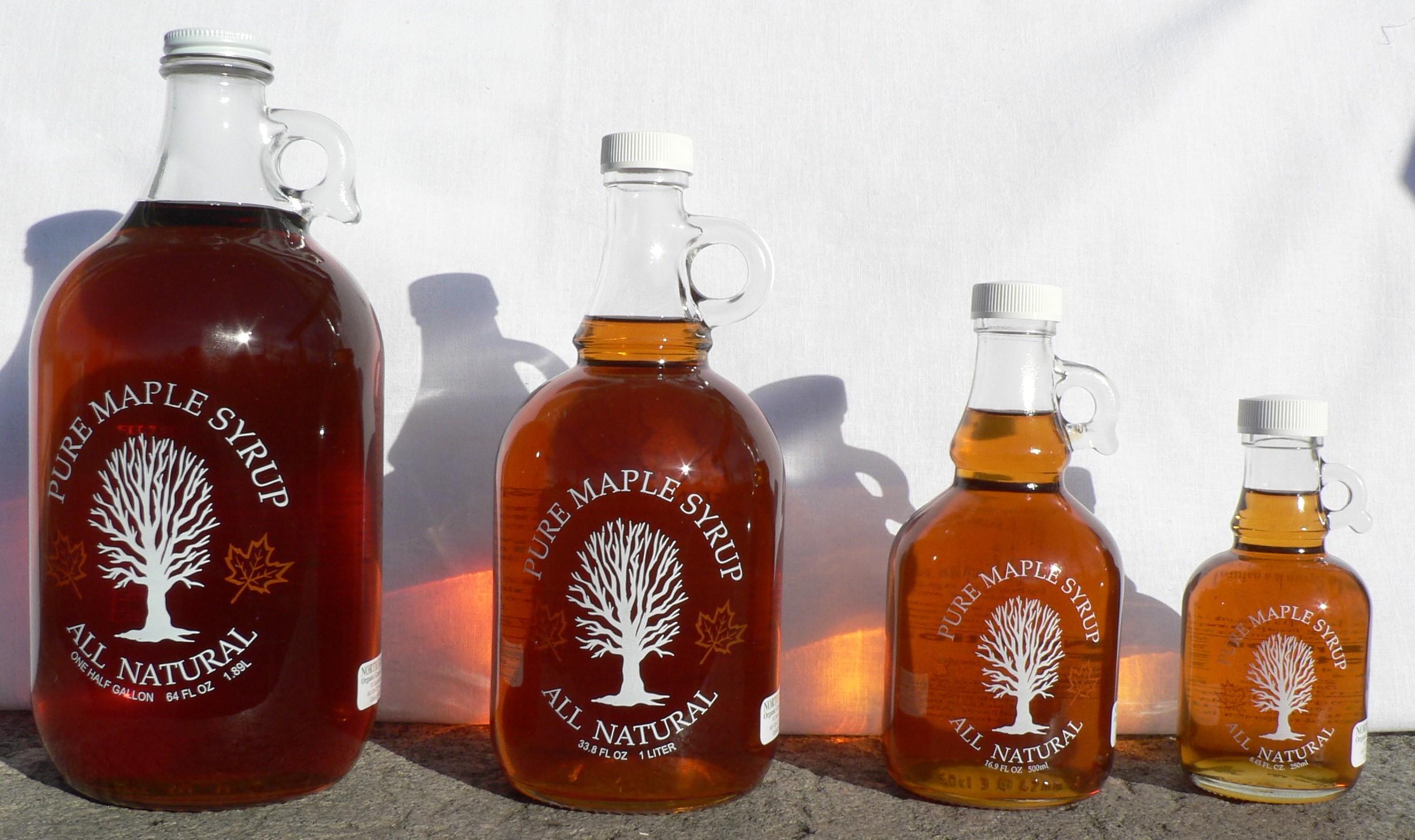
Bulk maple syrup may be available in containers such as jugs, pails, drums, or other commercial formats.
Packaging affects more than transportation. Consider:
- How much storage space you have
- How frequently containers will be opened
- How easily employees can dispense syrup
- Whether containers can be resealed
- How the packaging will be handled during delivery
A small restaurant may find multiple manageable containers easier to handle than a single large container. A manufacturing facility with dedicated storage and dispensing equipment may prefer larger formats.
Understanding Cost Beyond the Price Per Gallon
One common purchasing mistake is comparing suppliers using only the advertised syrup price.
Instead, calculate the landed cost. This includes the product price plus shipping, handling, packaging-related costs, and other applicable expenses.
For example, Supplier A might offer syrup at $40 per gallon but charge substantial freight, while Supplier B charges $43 but provides significantly cheaper delivery. Supplier B could ultimately be less expensive.
Yield should also be considered. If a recipe requires a specific amount of maple syrup, calculate how much finished product each gallon supports. This is especially important for commercial food production.
Businesses should also consider consistency. A slightly cheaper syrup that varies significantly between shipments may create quality-control problems that cost more than the initial savings.
Common Challenges When Buying Maple Syrup in Bulk
Inconsistent flavor
Maple syrup is an agricultural product, so characteristics can naturally vary. Working with a supplier that maintains clear product specifications can make consistency easier to manage.
For commercial recipes, establish an acceptable flavor and color range rather than relying solely on informal descriptions.
Poor storage practices
Unopened maple syrup should generally be stored according to the supplier’s recommendations. Once opened, storage requirements can change, so employees should follow the product’s handling instructions carefully.
Avoid treating bulk syrup like a shelf-stable ingredient that can simply sit anywhere indefinitely.
Ordering too much
Bulk pricing can encourage businesses to purchase more than they realistically need. Excess inventory occupies valuable storage space and increases the risk of waste.
Use consumption data to establish reorder points and maximum inventory levels.
Choosing based solely on price
The cheapest syrup isn’t necessarily the best value. A product that performs poorly in recipes, arrives inconsistently, or creates operational difficulties can increase the total cost of ownership.
Practical Tips for Wholesale Maple Syrup Buyers
Start by requesting product specifications before placing a large order. Review the grade, flavor profile, packaging size, storage requirements, and relevant quality information.
If the syrup will be used in a recipe, conduct a small-scale test first. For example, a bakery can prepare the same muffin recipe using two potential syrups and compare sweetness, aroma, color, and overall maple impact.
For restaurants, test the syrup exactly as customers will receive it. A syrup that tastes excellent in a kitchen sample may interact differently with pancakes, waffles, yogurt, or other menu items.
Keep records of supplier, batch information, purchase date, quantity, and internal quality observations. This simple practice can make it easier to identify problems if a future shipment tastes or performs differently.
It is also worth establishing a backup supplier. Relying entirely on one source can become a problem when production delays, transportation disruptions, or seasonal availability affect supply.
Finally, train employees on proper storage and dispensing procedures. Good purchasing decisions can be undermined by poor handling after delivery.
Conclusion
Buying maple syrup in bulk requires more than comparing prices. Businesses should evaluate the syrup’s grade, flavor profile, intended application, packaging, storage requirements, consistency, and total delivered cost.
The most effective approach is to start with actual usage requirements, test products before committing to large quantities, and maintain clear purchasing and quality records. Whether you operate a restaurant, bakery, retail business, or food manufacturing facility, these steps can help you select maple syrup that delivers dependable quality while keeping inventory and operating costs under control.