
Theater Recliners: How to Choose Comfortable Seating for an Authentic Home Theater
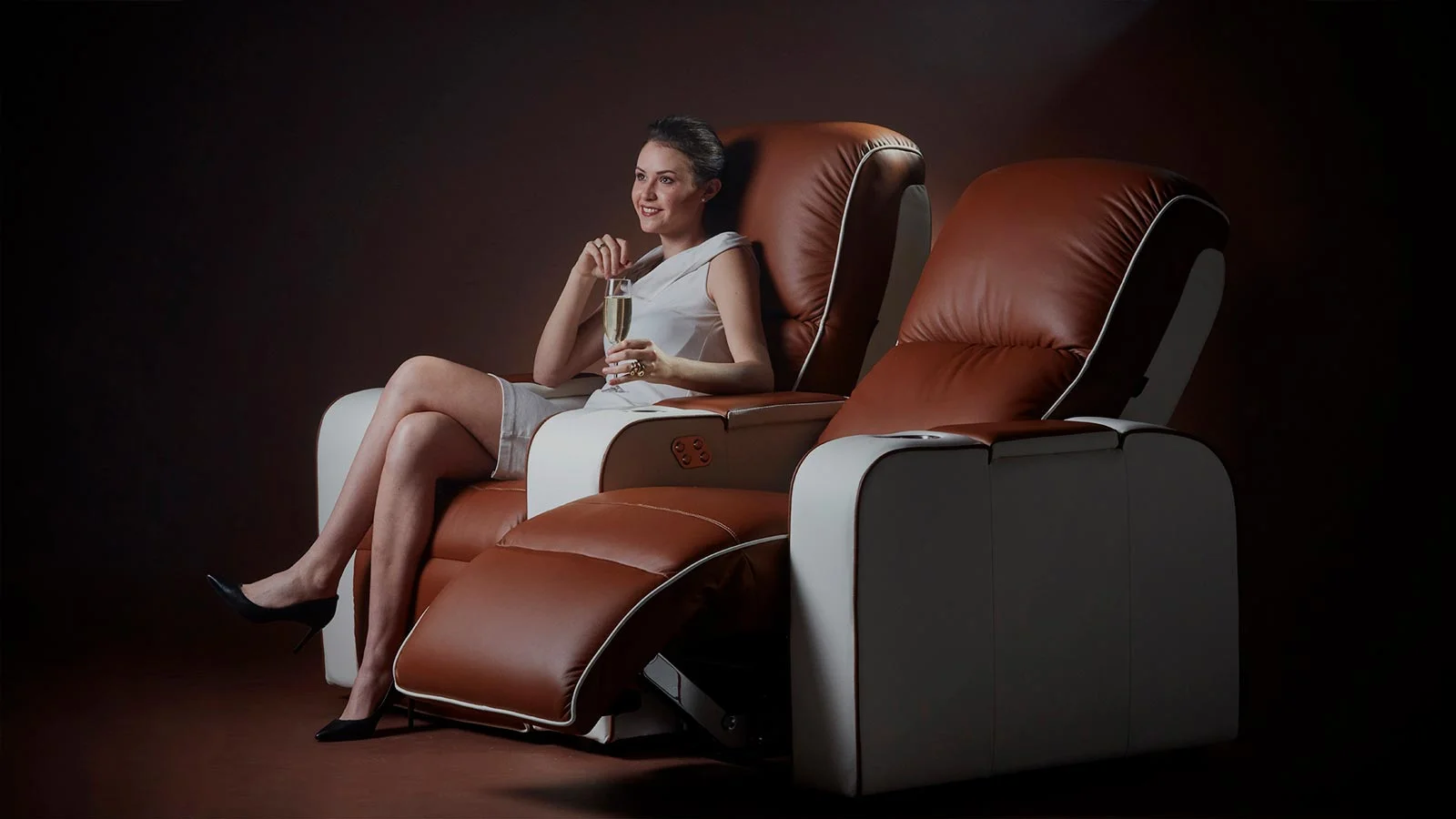
A home theater can have a great screen, powerful speakers, and carefully tuned lighting, yet still feel uncomfortable if the seating is wrong. Because movies often last two or three hours, poor posture, limited legroom, and awkward positioning can quickly become distractions. That is why choosing the right theater recliners deserves as much attention as selecting the display or sound system.
The right seating does more than provide a place to sit. It influences viewing angles, room layout, comfort, movement, and even how people interact during a movie. Whether you are designing a dedicated theater room or upgrading a family entertainment space, understanding the practical differences between recliner designs can help you make a better decision.
Why Theater Recliners Matter in a Home Theater
Traditional sofas are versatile, but they are not always ideal for dedicated movie viewing. Theater recliners are designed around individual seating positions, allowing each person to adjust their backrest and leg support independently.
This becomes particularly useful in rooms where several people watch together. One person may prefer sitting upright while another wants to recline fully. Individual controls allow both preferences without affecting anyone else.
Recliners can also help establish consistent viewing positions. When seats are arranged in rows, each viewer can maintain a comfortable posture while facing the screen directly.
However, comfort should not be judged by padding alone. A good theater seat should provide adequate lumbar support, stable armrests, smooth reclining movement, and enough space for natural leg positioning.
How to Choose the Right Theater Recliners
Buying theater seating requires more planning than simply choosing a style you like. Follow a practical evaluation process before committing to a particular configuration.
1. Measure the Room First
Start with accurate measurements of the entire room. Record the wall-to-wall width, available length, door locations, windows, and any fixed features.
Then consider the space required behind and between recliners. Reclining mechanisms can extend backward or forward depending on the design. A seat that fits when upright may become difficult to use when fully reclined.
For example, a 12-foot-wide room might comfortably accommodate two or three seats in one row, but the exact number depends on the seat width and required walkways.
Do not measure only the furniture footprint. Account for movement and access.
2. Determine How Many People Need Seats
Think about your typical viewing group rather than the maximum number of people you might occasionally host.
A couple may prefer two wider seats with generous armrests instead of squeezing three narrower seats into the same space. Conversely, a family may benefit from several compact recliners arranged in a row.
If you regularly host guests, consider whether additional seating can be placed elsewhere without compromising the primary viewing area.
3. Evaluate Reclining Mechanisms
The reclining mechanism affects both comfort and usability.
Manual recliners are straightforward and generally require fewer components. Power recliners offer more precise positioning and can be useful for viewers who frequently adjust their posture.
Some powered models also include memory positions, adjustable headrests, lumbar controls, USB charging, or other integrated features. These can be convenient, but they should not replace attention to basic ergonomics.
A complicated seat with excellent technology is still a poor choice if the backrest does not support your body properly.
4. Check Seat Dimensions
Pay close attention to seat width, depth, back height, and armrest placement.
Someone with a larger frame may find a narrow seat restrictive, while an oversized seat can make smaller users feel poorly supported. Ideally, your lower back should remain supported while your feet rest comfortably when the seat is partially or fully reclined.
If possible, test the actual seat before buying. Sit upright, recline, extend the footrest, and remain seated for several minutes. Short showroom tests can reveal pressure points that are not obvious at first glance.
5. Consider Screen and Seating Alignment
Comfortable seating should also work with your theater’s viewing geometry.
The center of the seating position should generally provide a natural line of sight toward the screen. If seats are placed too far to the side, viewers may constantly turn their heads.
For multiple rows, raised platforms can help people in the back see over the row ahead. The exact platform height depends on screen size, row spacing, and seating dimensions.
Features Worth Considering
Cup Holders and Storage
Integrated cup holders are convenient because they reduce the need for side tables. Storage compartments can also provide a practical place for remotes, headphones, or small accessories.
However, inspect how these features are constructed. Loose cup holders or poorly designed compartments can become annoying over time.
Upholstery
Leather, faux leather, fabric, and other materials each have advantages.
Leather-style surfaces are relatively easy to clean and can provide a classic theater appearance. Fabric can feel warmer and may offer a softer texture. The best choice depends on room conditions, maintenance expectations, and personal preference.
For homes with children or frequent food and drinks, easy-clean upholstery can be particularly useful.
Power and Electrical Planning
Power recliners require electrical outlets, so plan the wiring before installing multiple rows.
Avoid creating a maze of extension cords across walking paths. Ideally, electrical connections should be positioned where cables remain protected and out of sight.
Common Mistakes to Avoid
One of the most common mistakes is buying seats before measuring the room. Furniture dimensions alone do not show how much clearance the reclining mechanism requires.
Another mistake is prioritizing appearance over ergonomics. A beautiful seat may look impressive but become uncomfortable after an extended movie.
Buyers also sometimes overlook entry and exit paths. If a row fills the entire width of the room, reaching the middle seat can become inconvenient.
Finally, avoid assuming that more features automatically mean better seating. Massage functions, lighting, charging ports, and powered adjustments can be useful, but structural quality and comfort should come first.
Practical Tips for Better Theater Seating
Before purchasing, create a simple floor plan using the room’s actual measurements. Mark the approximate footprint of each recliner and leave realistic walking space.
If you are uncertain about spacing, use cardboard boxes or painter’s tape to mark the proposed furniture dimensions on the floor. Sit within the marked areas and walk around them. This inexpensive test can reveal layout problems before you spend money.
Think about maintenance as well. Movie nights often involve drinks and snacks, so spills are inevitable. Choose materials and designs that you can realistically clean and maintain.
For larger rooms, consider tiered seating. A slightly elevated rear row can improve visibility without forcing everyone to sit at the same level.
Also think about future changes. If you may add speakers, gaming equipment, or another display later, leave enough flexibility in the room rather than filling every available inch with furniture.
Conclusion
The best theater recliners balance comfort, room efficiency, durability, and viewing position. Start by measuring your space, determine the number of regular viewers, compare seat dimensions, and evaluate reclining mechanisms before worrying about decorative features.
Most importantly, design the seating around how your household actually uses the room. A carefully planned arrangement can make long movie sessions more comfortable while keeping the theater practical and easy to navigate.