
Diesel Generator Cost per kWh: What Affects the Price?
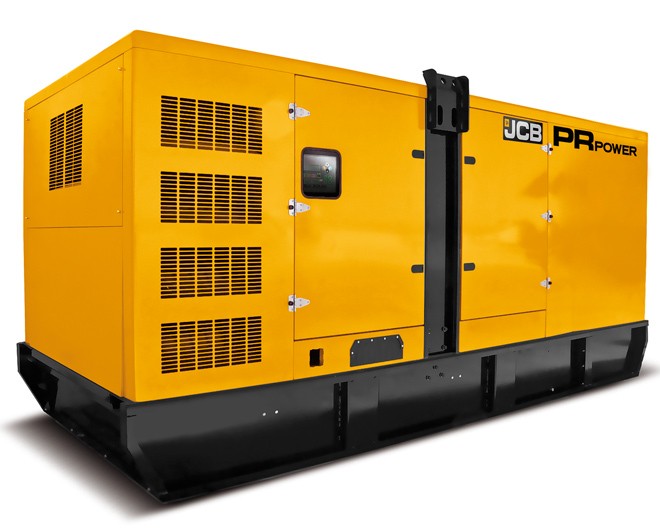
Diesel generators are widely used when businesses, construction sites, farms, hospitals, commercial buildings, and remote facilities need a dependable source of electricity. They can provide backup power during outages or serve as the main source of electricity in locations without reliable grid access.
However, producing electricity with a diesel generator comes with ongoing operating costs. Fuel is usually one of the largest expenses, but it is not the only factor that determines the total cost of generated electricity. Maintenance, generator efficiency, load level, fuel prices, operating hours, and equipment condition can all affect the final cost.
Understanding the diesel generator cost per kwh can help businesses estimate their power expenses and make better decisions about generator operation.
What Does Diesel Generator Cost per kWh Mean?
Diesel generator cost per kWh refers to the amount of money spent to produce one kilowatt-hour of electricity using a diesel generator.
A kilowatt-hour is a unit of electrical energy. For example, a device using 1 kilowatt of power for one hour consumes 1 kWh.
The basic calculation for generator operating cost is:
Cost per kWh = Total generation cost ÷ Electricity produced in kWh
Total generation cost can include diesel fuel, maintenance, lubricants, repairs, and other operating expenses.
For a simple fuel-only calculation, you can estimate the cost by multiplying the amount of diesel used by the price of diesel and dividing that cost by the electricity generated.
Fuel Consumption Has a Major Impact
Fuel consumption is one of the most important factors affecting generator operating costs.
A generator that consumes more diesel to produce the same amount of electricity will have a higher operating cost.
Fuel consumption depends on several factors, including:
- Generator size
- Engine design
- Electrical load
- Generator efficiency
- Engine condition
- Operating temperature
- Maintenance quality
- Fuel quality
A modern, well-maintained generator can often use fuel more efficiently than an older unit operating under poor conditions.
Diesel Fuel Prices
The local price of diesel directly affects the cost of generating electricity.
If diesel prices increase, the cost of each kWh produced by a generator will generally increase as well.
Fuel prices can vary by region, supplier, taxes, transportation costs, and market conditions.
For businesses that operate generators for many hours, even a small change in fuel price can have a noticeable effect on monthly energy expenses.
For this reason, companies should use their actual local diesel price when calculating generator costs rather than relying on a general estimate.
Generator Load Affects Cost per kWh
The load placed on a generator can have a major effect on fuel efficiency.
Generators are generally designed to operate efficiently within a suitable load range. Running a large generator at a very low load can result in poor fuel efficiency compared with operating it closer to its appropriate working range.
For example, a generator rated for a high electrical output may consume a significant amount of fuel even when only a small amount of electricity is being used.
This means choosing a generator that matches the expected load can help control the diesel generator cost per kwh.
Generator Size Matters
Generator capacity should match the power requirements of the application.
Choosing a generator that is too large can lead to inefficient operation if the normal electrical demand is much lower than its rated capacity.
Choosing one that is too small can overload the generator and create reliability and maintenance problems.
Businesses should consider both their normal operating load and their maximum expected demand when selecting generator capacity.
Proper sizing can improve fuel use and reduce unnecessary operating costs.
Generator Efficiency
Different diesel generators have different fuel efficiency levels.
Engine technology, generator design, age, and operating conditions can all influence efficiency.
Two generators with similar power ratings may not consume exactly the same amount of fuel under identical conditions.
When comparing generators, businesses should review manufacturer fuel consumption information at different load levels.
Looking at fuel consumption across several operating points can provide a better understanding of expected performance than considering only the maximum rated output.
Maintenance and Operating Costs
Fuel is not the only expense involved in operating a diesel generator.
Generators require regular maintenance to keep the engine and electrical components working properly.
Common maintenance expenses can include:
- Engine oil
- Oil filters
- Fuel filters
- Air filters
- Coolant
- Belts
- Batteries
- Replacement parts
- Technician labor
- Repairs
These costs should be included when calculating the long-term cost of electricity production.
A generator with low fuel consumption but high repair and maintenance expenses may not necessarily have the lowest total cost.
Importance of Regular Maintenance
Regular maintenance can help a generator operate more efficiently and reliably.
Dirty filters, worn components, poor lubrication, and fuel system problems can affect engine performance.
A poorly maintained engine may consume more fuel or experience more frequent breakdowns.
Following the manufacturer’s maintenance schedule can help protect the engine and support consistent performance.
Preventive maintenance may also reduce the chance of expensive emergency repairs.
Generator Age
The age and condition of a generator can influence its operating cost.
Older generators may have less efficient engines or components that have experienced significant wear.
This does not mean every older generator is inefficient. A well-maintained older unit can still provide reliable service.
However, businesses should compare actual fuel consumption, maintenance costs, and reliability when deciding whether to continue operating an older generator or invest in newer equipment.
Operating Hours
The number of hours a generator operates each month directly affects total energy costs.
A generator used only during occasional power outages will have very different operating expenses from a generator running continuously as a primary power source.
Businesses should track:
- Operating hours
- Fuel consumed
- Electricity generated
- Maintenance expenses
- Repairs
Keeping these records makes it easier to calculate actual operating costs and identify changes in performance.
Standby vs. Prime Power Applications
Diesel generators can be used for different purposes.
A standby generator normally operates when the primary electricity supply fails. Because it may run only occasionally, its annual fuel consumption can be relatively limited.
A prime power generator, on the other hand, may operate for extended periods and provide regular electricity.
The financial impact of fuel consumption and maintenance is therefore much greater for prime power applications.
Businesses should consider the generator’s intended role when estimating the diesel generator cost per kwh.
Load Management Can Reduce Costs
Managing electrical loads can improve generator performance.
Businesses can identify equipment that does not need to operate at the same time and schedule certain processes during periods of appropriate generator loading.
This may help reduce unnecessary fuel consumption.
Large electrical loads such as pumps, compressors, heating equipment, and motors should also be considered carefully because they can affect generator loading and fuel use.
Good load management can improve the overall efficiency of a generator-based power system.
Fuel Quality
Fuel quality can also affect engine performance.
Poor-quality or contaminated diesel may cause problems with filters, injectors, and other fuel system components.
This can affect combustion and generator performance.
Using suitable fuel from reliable suppliers and storing it properly can help protect the engine and maintain consistent operation.
Fuel storage systems should also be inspected regularly for contamination, water, leaks, or other problems.
Environmental and Regulatory Costs
Some generator applications may involve additional environmental requirements.
Depending on location and generator type, businesses may need to consider emissions regulations, permits, inspections, noise requirements, and other compliance obligations.
These requirements can add costs to installation and operation.
Businesses should check applicable local and national regulations before installing or operating a diesel generator, particularly for larger units or continuous-use applications.
Comparing Diesel Generator Costs With Grid Electricity
Calculating the diesel generator cost per kwh can help businesses compare generator power with utility electricity.
However, the comparison should include more than the diesel fuel expense.
For a fair comparison, consider:
- Diesel fuel
- Generator maintenance
- Repairs
- Lubricants
- Operator costs
- Generator depreciation
- Installation expenses
- Electricity produced
- Utility electricity rates
A generator may be cost-effective for backup power even if its kWh cost is higher than grid electricity because its main purpose is reliability during outages.
For continuous power generation, the economics should be evaluated more carefully.
How to Calculate Generator Cost per kWh
A basic example can make the calculation easier.
Suppose a diesel generator uses 20 liters of diesel to produce 100 kWh of electricity.
If diesel costs $1.20 per liter:
Fuel cost = 20 × $1.20 = $24
Then:
Fuel cost per kWh = $24 ÷ 100 = $0.24 per kWh
This is only a fuel-cost calculation.
If maintenance, oil, repairs, and other operating costs add another $0.06 per kWh, the total operating cost would become approximately $0.30 per kWh.
Actual results will vary depending on generator performance and operating conditions.
Ways to Reduce Diesel Generator Operating Costs
Businesses can take several practical steps to control generator expenses.
Choose the Correct Generator Size
Select equipment that matches the expected electrical demand without unnecessary excess capacity.
Maintain the Engine
Follow the recommended service schedule and replace filters, oil, and other components when required.
Monitor Fuel Consumption
Record fuel use and electricity production to identify changes in generator efficiency.
Manage Electrical Loads
Avoid running a large generator at an unnecessarily low load for extended periods.
Keep the Fuel System Clean
Use suitable fuel and maintain proper fuel storage conditions.
Monitor Generator Performance
Regularly check operating temperatures, engine behavior, fuel consumption, and electrical output.
These practices can help reduce unnecessary fuel and maintenance expenses.
Why Fuel Monitoring Is Important
Fuel monitoring provides useful information about generator performance.
If a generator suddenly starts consuming more fuel while producing the same amount of electricity, it may indicate an efficiency or mechanical problem.
Tracking fuel use over time can help identify unusual changes early.
Businesses can compare actual fuel consumption with historical data and manufacturer specifications to determine whether further inspection is necessary.
Total Cost of Ownership
The best way to evaluate a diesel generator is to consider its total cost of ownership rather than focusing only on the purchase price.
Total ownership costs can include:
- Initial generator purchase
- Installation
- Fuel
- Maintenance
- Repairs
- Replacement parts
- Fuel storage
- Operator expenses
- Compliance costs
- Eventual replacement
A generator with a higher purchase price may have lower fuel consumption and maintenance requirements.
Over several years, these savings can offset the higher initial investment.
Selecting a Fuel-Efficient Generator
When buying a generator, businesses should review fuel consumption data carefully.
Ask for information about fuel use at different load levels and compare similar generator models.
It is also useful to consider the expected operating profile.
A generator used primarily at 25% load may have different fuel economics from one regularly operating at 70% or 80% load.
Choosing equipment based on real operating conditions can lead to better long-term results.
Conclusion
The diesel generator cost per kwh depends on much more than the price of diesel fuel. Generator efficiency, load level, size, maintenance, operating hours, fuel quality, age, and other expenses all influence the final cost of electricity.
Businesses can control some of these factors through proper generator sizing, preventive maintenance, load management, fuel monitoring, and regular performance checks.
Before purchasing or operating a diesel generator, it is useful to calculate expected fuel consumption and include maintenance and other operating expenses. This provides a more realistic picture of the actual cost of generated electricity.
For backup power, remote operations, and applications where reliable electricity is essential, diesel generators can remain a practical solution. Understanding their true cost per kWh allows businesses to plan budgets more accurately and operate their power systems more efficiently. You do not have enough Humanizer words left. Upgrade your Surfer plan.