
Seiko Watch Sales: How to Actually Get a Good Deal
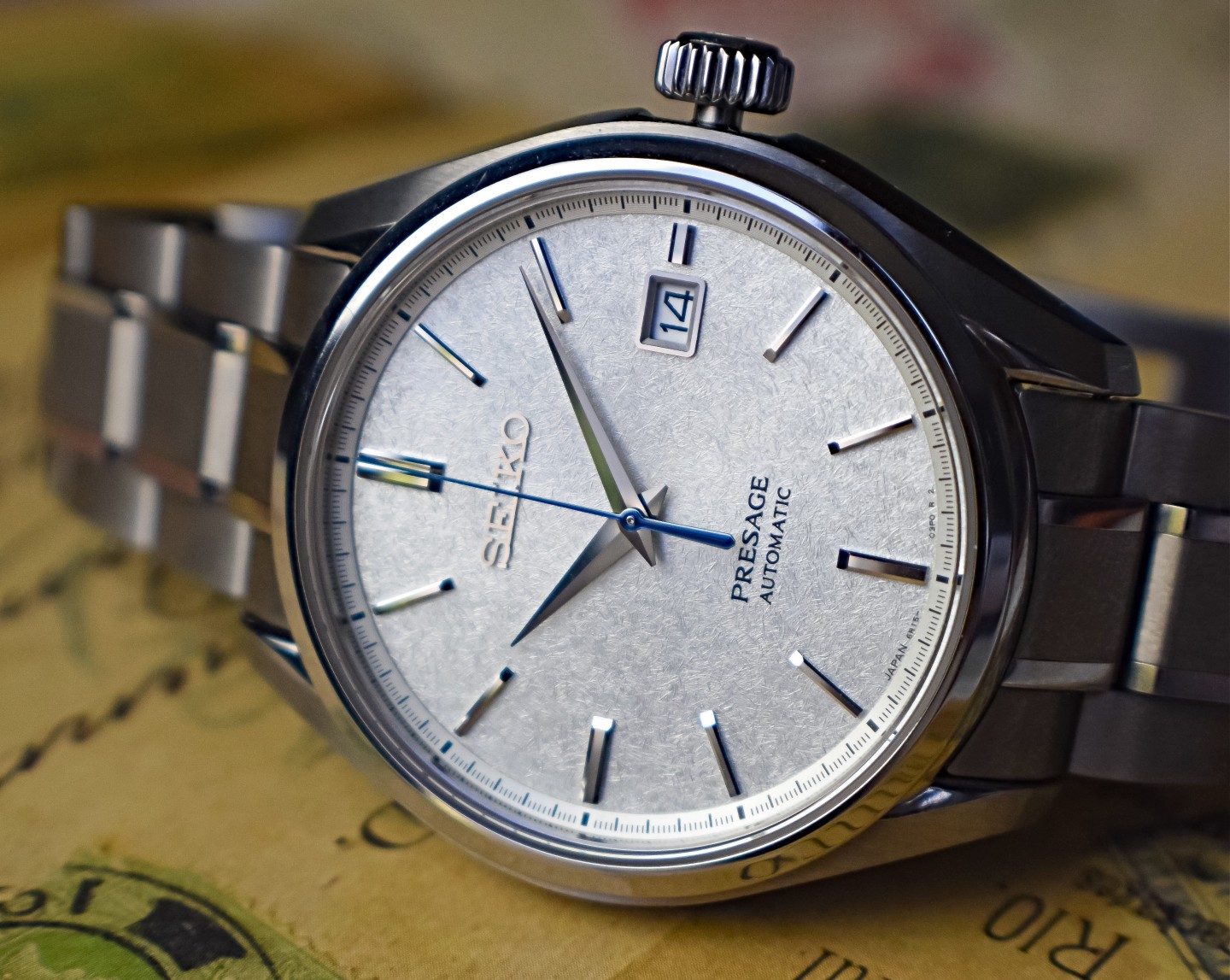
Seiko watches already sit at a friendlier price point than most Swiss competitors, but that hasn’t stopped a thriving sales culture from building up around the brand. Between seasonal discounts, retailer clearances, and the sheer size of Seiko’s catalogue, there’s almost always a deal happening somewhere. The trick isn’t finding a sale, it’s knowing which sales are actually worth paying attention to.
Why Seiko Watches Go On Sale So Often
Seiko produces an enormous range of watches, spanning basic quartz models to serious mechanical divers, which means retailers are constantly rotating stock. Older references get discounted to make room for updated dial colours or new case variations, even when the underlying watch hasn’t changed in any meaningful way. This is one of the best-kept secrets of buying Seiko on sale: a discontinued colourway is often mechanically identical to the current model, just sold at a fraction of the price because the box says last year’s design.
Retailers also use Seiko heavily in promotional calendars. Because the brand covers such a wide price range, from sub-£150 quartz pieces to four-figure Prospex divers, it works as an anchor product during major shopping events, pulling browsers in with genuinely attractive discounts on entry-level pieces while showcasing higher-end mechanical models nearby.
When the Best Sales Actually Happen
Seasoned buyers tend to watch a handful of recurring windows rather than chasing every discount code that appears.
Black Friday and the following Cyber Monday period remain the single biggest sales event for Seiko in most markets, with both authorised retailers and Seiko’s own online storefronts offering meaningful reductions across huge portions of the catalogue. Boxing Day sales, particularly in the UK, often extend similar discounts into the new year, sometimes with additional stock clearance pricing thrown in.
Beyond the obvious calendar events, watch-specific retailers frequently run their own sale periods disconnected from major shopping holidays, often tied to end-of-season stock clearing or anniversary promotions. These can be harder to predict, which is why serious buyers tend to follow specific retailers directly rather than relying on general search results.
Where the Real Discounts Are Hiding
Not all Seiko sales are created equal. Flagship boutiques rarely discount current-season pieces heavily, since maintaining brand positioning matters more to them than moving units quickly. The deepest discounts tend to show up through authorised third-party retailers who carry larger inventories and have more flexibility on margin.
Grey market retailers, meaning legitimate but non-authorised sellers who source watches through parallel import channels, often list prices well below official retail. These can be genuine bargains, but buyers should weigh the trade-off carefully: warranty coverage is sometimes limited to the country of original sale, or handled through a third party rather than Seiko directly, so it’s worth confirming exactly what protection comes with a grey market purchase before treating the low price as a straightforward win.
The pre-owned and vintage market represents another route entirely. Older Seiko references, particularly from the 1970s and 1980s automatic era, are frequently available at prices that undercut new equivalents significantly, and many of these movements were built to last decades with basic servicing. Buyers comfortable doing a little research into reference numbers and movement types can often find remarkable value here, though it does require more diligence than buying new.
Spotting a Genuine Deal Versus Inflated Pricing
One trick some retailers use, not unique to Seiko Watch but common across the watch industry, is inflating a “was” price shortly before a sale begins, so the discount looks larger than it actually is. Comparing a sale price against the watch’s typical selling price over the previous several months, rather than the retailer’s listed original price, is the most reliable way to judge whether a deal is genuine.
It also helps to know which models rarely go on sale at all. Certain Prospex divers and limited editions maintain steady pricing due to strong ongoing demand, so if a supposedly rare piece shows up dramatically discounted, it’s worth double-checking authenticity and seller legitimacy before buying.
Buying Smart Rather Than Buying Fast
The most consistent way to get real value on a Seiko purchase isn’t necessarily waiting for the biggest headline sale event. It’s identifying which specific model or reference is wanted, tracking its typical price over a few months across a handful of trusted retailers, and being ready to act when that particular watch dips meaningfully below its usual range. Sales come and go constantly with Seiko, but the buyers who do best treat patience and research as their real discount code, not the flashiest looking banner.